English
 Dutch
Dutch Japanese
 Hindi
Hindi Italian
 Spanish
 French
 German
 Chinese
 Korean
 Arabic
 Hebrew
 Russian
 Portuguese
 Danish
 Czech
Czech Polish
 Swedish

Introduction: Understanding the Everest Trek Duration
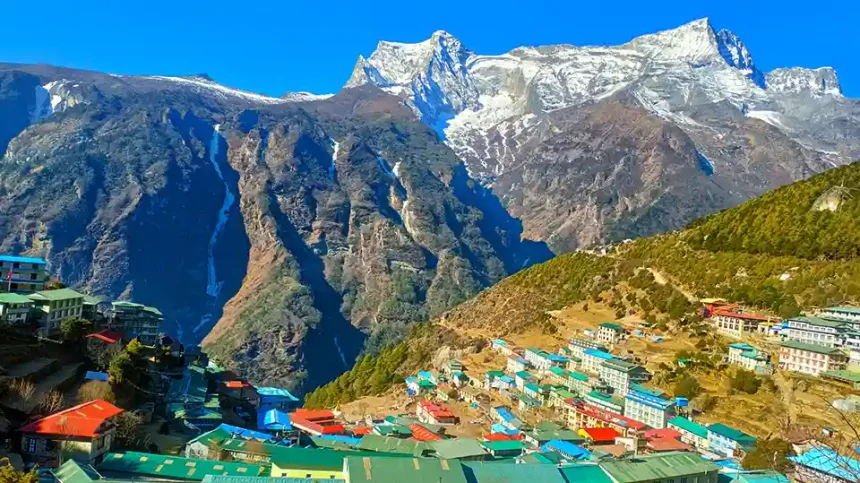
Imagine this: tall Himalayan mountains all around, fresh cold air, asand the chance to see the world’s tallest mountain up close. The Everest Base Camp (EBC) trek isn’t just a trip—it’s an adventure you’ll remember forever. But before you start packing your bags, you might ask, “How long does it take to hike to Everest Base Camp?”
Usually, the Everest Base Camp trek takes about 12 to 14 days. This time includes going up and coming back down. However, the exact number of days depends on a few things. Your fitness, the time you take to get used to the high altitude, weather conditions, and the route you pick all play a role. Some experienced hikers might finish it in about 10 days, while others who want to go slower and stay safer might take closer to two weeks.
During the trek, you’ll see a mix of amazing natural beauty, rich Sherpa culture, and test your own strength. You’ll pass through colorful Sherpa villages, forests full of rhododendron flowers, and see jaw-dropping mountain views. The journey isn’t just about reaching Everest Base Camp—it’s also about enjoying the entire experience and the beauty of the Himalayas.
So, how long does it take to safely trek to Everest Base Camp? Experienced guides say it’s important to balance adventure with safety. “If you rush, you might get altitude sickness, but if you go slowly, you can enjoy the trek more,” says one experienced guide.
Whether you’re an expert hiker or someone trekking for the first time, this guide will help you understand how long the trek takes, what affects the time, and how to plan your perfect adventure.
Overview of the Everest Base Camp Trek
The trek to Everest Base Camp is more than just walking—it’s a full adventure. You’ll see some of the most beautiful places on Earth. The trek covers about 130 kilometers (round trip) and usually takes 12 to 14 days. How long you take depends on your walking speed, the time you spend adjusting to the altitude, and the route you pick. Along the way, you’ll meet kind locals, see amazing views, and push yourself to new limits.
General Length of the Trek and Key Sections
The trek to Everest Base Camp is divided into smaller sections so you can take your time and get used to the altitude. It starts in Lukla, the gateway to the Everest region. From there, the trail winds through charming villages, green forests, shaky suspension bridges, and rough mountain paths.
The Main Trekking Routes
The most popular route goes from Lukla to Everest Base Camp, but there are other paths if you want something different:
- Jiri to Everest Base Camp Route: This route is longer and takes about an extra week. It’s less crowded and lets you experience more local culture.
- Gokyo Lakes and Cho La Pass: This route combines the Everest Base Camp trek with a visit to the beautiful Gokyo Lakes and the tough Cho La Pass.
What Hikers Can Expect Each Day
Each day, you’ll be walking for about 5 to 8 hours, and you’ll climb higher as you go. The paths are a mix of riverbanks, forest trails, open highlands, and even snowy glacial paths. Along the way, you’ll stay in cozy tea houses, eat tasty Nepali meals, and enjoy the stunning Himalayan scenery.
Expert Advice on Trekking Stages
Trekking guides say it’s very important to take your time and adjust to the altitude. Pasang Sherpa, an experienced guide, says, “The trek is planned so you can balance walking with getting used to the altitude. Listen to your body, don’t rush, and enjoy every step of the journey.”
Guides also suggest adding extra days in case the weather delays your flight to or from Lukla. Fog or strong wind often stops flights in this area.
By understanding the stages and timing of the Everest Base Camp trek, you can plan and prepare better. Whether you’re climbing up to Namche Bazaar or relaxing in Dingboche, each part of this trek will give you memories that last forever.
The Average Duration of the Everest Base Camp Trek
For hikers all over the world, the Everest Base Camp hike is a dream. But one of the most common questions is: “How long does it take to hike to Everest Base Camp?”
The answer depends on a few things, like how fit you are, how much time you need to adjust to the high altitude, and the weather. On average, the trek takes 12 to 14 days. The total distance is about 130 kilometers (81 miles) for the round trip.
This time frame gives you enough time to walk safely and adjust to the altitude. This is very important to avoid getting sick from the thin air. Let’s look at what affects the time and how you can plan your adventure.
Average Time for the Everest Base Camp Trek: 12-14 Days
The usual time for the Everest Base Camp trek is 12 to 14 days. This is the standard schedule for most people who follow the classic route from Lukla to Everest Base Camp. It includes 8 days to go up so you can adjust to the high altitude and 3 to 4 days to come back down. Here’s what a typical plan looks like:
- Day 1: Lukla to Phakding (3-4 hours)
- The first day is an easy walk to Phakding. This helps you settle into the trek.
- Day 2-3: Phakding to Namche Bazaar (6-7 hours) + Rest Day
- The hike to Namche Bazaar is tough because you climb higher. You spend an extra day here to let your body adjust.
- Day 4-5: Namche to Tengboche (5-6 hours) + Tengboche to Dingboche (5-6 hours)
- As you climb, the views change. The higher you go, the more important acclimatization becomes.
- Day 6: Rest and Acclimatization in Dingboche
- This day is super important. You relax or take a short hike to get used to the altitude.
- Day 7-8: Dingboche to Lobuche (5-6 hours) + Lobuche to Everest Base Camp via Gorakshep (7-8 hours)
- These are the hardest days, but they are also the most exciting! You finally reach Everest Base Camp—a huge achievement.
- Day 9-11: Return journey from Base Camp to Lukla
- Coming back down is faster, but you still need to be careful because the trails are steep, and you’ll feel tired.
Factors That Can Change the Trek Duration
While most people finish the trek in 12-14 days, some things can change how long it takes:
Fitness Levels
- If you are very fit, it might be easier to stick to the regular plan.
- If you’re new to trekking or don’t exercise much, you might need extra days to rest.
- Going slower lets you enjoy the trip without getting too tired.
Acclimatization Needs
- After 3,000 meters, it gets harder to breathe because of the thin air.
- Everyone’s body reacts differently, so some people need more rest days to avoid getting sick.
Weather Conditions
- The weather in the Everest region is unpredictable. Flights to and from Lukla can be delayed because of fog or strong winds.
- Snow or rain on the trail can also slow you down, especially in higher areas.
Trekking Route
- If you take a longer route, like the Gokyo Lakes or Jiri trail, it will add a few more days to your trek.
- For example, the Gokyo Lakes route can add 3-4 extra days.
Trekking Styles and How Long They Take
- Standard Trekker
- This is the most common plan. You follow the 12-14 day schedule with days for rest and acclimatization.
- Fast-Paced Trekker
- Experienced hikers who are very fit might finish the trek in 10 days.
- But skipping rest days is risky because it can lead to altitude sickness, so it’s not recommended.
- Slow-Paced Trekker
- Some people prefer to take their time. They spend extra days resting or enjoying the scenery. This can make the trek last up to 16 days.
What Experts Say About Trek Duration
According to the Nepal Tourism Board, the 12-14 day trek is the safest and most enjoyable plan for most people. Pasang Sherpa, an experienced guide, says, “Acclimatization is the key to success. If you rush, you might get altitude sickness, which can be dangerous and ruin the whole trip.”
The Nepal National Mountain Guide Association also suggests adding a couple of extra days to your schedule. Flights to and from Lukla often get delayed because of bad weather, so it’s good to have some extra time.
How to Plan Your Trek Duration
When planning your trek to Everest Base Camp, think about:
- Your fitness level
- How much time you need for acclimatization
- Possible delays due to weather
Although the trek usually takes 12-14 days, it’s a smart idea to plan for extra days. This way, you can relax, enjoy the amazing views, and handle any surprises along the way.
In the end, it’s not just about how many days the trek takes. It’s about enjoying every single step toward the base of the world’s tallest mountain. This adventure is about making memories that will last a lifetime!
Acclimatization and Its Impact on Trek Duration
The Everest Base Camp trek is not just a physical challenge—it’s a journey through high-altitude terrain that requires your body to adjust to thinner air. Acclimatization is key to making sure you stay safe and enjoy the trek. It helps reduce the risk of altitude sickness while keeping the trek at a good pace. Let’s look at how acclimatization affects how long the trek will take and why it’s important for your experience.
What Is Acclimatization and Why Does It Matter?
Acclimatization is when your body gets used to the lower oxygen levels at high altitudes. As you go higher than 3,000 meters (9,842 feet), the air becomes thinner, and your body needs time to adjust. If you don’t give your body time to acclimatize, you could get Acute Mountain Sickness (AMS), which can lead to serious problems like High Altitude Pulmonary Edema (HAPE) or High Altitude Cerebral Edema (HACE). These conditions can stop your trek and, in the worst cases, be life-threatening.
How Does Acclimatization Affect Trek Duration?
The usual Everest Base Camp trek includes two acclimatization days:
- Namche Bazaar (3,440 m): The first acclimatization day, where trekkers typically hike to a higher altitude (such as the Everest View Hotel at 3,880 m) and then return to Namche to sleep.
- Dingboche (4,410 m): The second acclimatization stop, with short hikes to places like Nagarjun Hill (5,100 m) to help prepare for higher altitudes ahead.
These two acclimatization days add two extra days to the trek, making it a 12-14 day journey. If you skip or reduce the acclimatization time to make the trek shorter, it can lead to altitude sickness, which could force you to turn back and delay your progress.
Altitude Sickness and Trek Time
Altitude sickness can show up as early as 2,500 meters (8,200 feet) and usually starts to be noticed at Namche Bazaar or higher. Symptoms include headaches, nausea, dizziness, and tiredness, which can slow you down or even stop your trek completely.
If you have mild symptoms, resting and going slower can help. But if the symptoms are severe, you may need to go down to a lower altitude right away. This would add extra days to your trek and shows why acclimatization is so important.
Acclimatization Schedule: A Day-by-Day Breakdown
Here’s how most trekking companies plan acclimatization to keep trekkers safe:
- Day 1-2: Lukla to Namche Bazaar
- Starting at 2,860 meters (9,383 feet), the trek begins with a moderate climb. On Day 2, you reach Namche Bazaar (3,440 m), a busy village perfect for your first acclimatization stop.
- Day 3: Acclimatization at Namche Bazaar
- Take a short hike to higher ground, like the Everest View Hotel, to enjoy mountain views. This lets your body get used to the thinner air while sleeping at a lower altitude.
- Day 4-6: Namche Bazaar to Dingboche
- The next stop is Dingboche (4,410 m), where you’ll have your second acclimatization day.
- Day 7: Acclimatization at Dingboche
- Another day for hiking at higher altitudes and resting to get ready for the toughest parts of the trek, above 5,000 meters (16,400 feet).
- Day 8-11: Dingboche to Everest Base Camp
- You’ll gradually climb to Lobuche (4,910 m), then to Gorak Shep (5,164 m) before reaching Everest Base Camp (5,364 m).
This carefully planned schedule helps minimize risks while allowing trekkers to keep a steady pace.
What Happens If You Don’t Follow Acclimatization Properly?
Skipping or rushing the acclimatization process can lead to:
- Higher risk of altitude sickness: This puts your health in danger and might force you to abandon the trek.
- Slower progress: If you get AMS symptoms, it could slow you down or require an emergency evacuation, adding extra days to your journey.
- Unsuccessful trek: Many trekkers who don’t follow proper acclimatization can’t make it to Everest Base Camp.
Expert Advice on Acclimatization
Pasang Sherpa, an experienced trekking guide, says, “Acclimatization isn’t optional—it’s essential. The two acclimatization days are part of the plan for a reason: they help your body adjust while reducing risks. Rushing the trek often causes altitude sickness, which can ruin your trip.”
The Himalaya Guide Association also stresses the importance of acclimatization hikes, recommending a slow pace and avoiding alcohol or caffeine, which can make dehydration worse at high altitudes.
Tips for Effective Acclimatization
- Stay hydrated: Drink 3-4 liters of water each day to prevent dehydration.
- Take it slow: Trekking at a steady pace reduces strain on your body.
- Listen to your body: Stop and rest if you feel any symptoms of altitude sickness.
- Pack medicines: Diamox can help with altitude sickness, but ask your doctor first.
- Plan extra days: Add some extra days to your trip to account for delays or extra rest.
- Final Thoughts: Prioritizing Acclimatization for a Safe Trek
The Everest Base Camp trek requires patience as much as endurance. By following a good acclimatization plan and listening to your body, you can make your journey safer and increase your chances of reaching your goal.
How long does acclimatization take on Everest? It depends, but with two acclimatization days built into most itineraries, you’re setting yourself up for a safe and memorable adventure. Take your time, enjoy the journey, and remember: reaching Everest Base Camp is not a race—it’s a once-in-a-lifetime achievement.
Trekking with a Guide vs. Solo Trekking: Does It Affect Duration?
When planning your trip to Everest Base Camp, one big decision is whether to go solo or hire a guide. This choice can affect how long the trek takes, how safe it is, and how enjoyable your journey will be. Trekking alone gives you independence and freedom, but having a guide can make things easier and safer. Let’s look at how these two options are different and how they can change your experience on the trek.
Solo Trekking: Freedom and Flexibility
Trekking solo to Everest Base Camp is perfect for adventurers who want to be in control. You can decide your own pace, pick your route, and take breaks when you want. However, trekking alone means you need to plan and prepare a lot on your own, which can affect how long the trek takes.
Time Considerations for Solo Trekkers:
- Navigation Challenges: If you don’t know the route, it can slow you down, especially in parts of the trail that are harder to find.
- Decision-Making: Without a guide, you need to decide when to rest, how to handle altitude sickness, or what to do if the weather gets bad.
- Logistics: Planning permits, finding accommodations, and organizing meals can take more time, especially during busy seasons.
Average Duration:
- Solo trekkers usually take between 12 to 16 days to reach Everest Base Camp. The time depends on your experience, fitness level, and how well you navigate.
Advantages of Solo Trekking:
- You control your own schedule.
- You feel a deeper sense of achievement.
- It costs less because you don’t need to pay for a guide or group.
Challenges of Solo Trekking:
- There’s a higher chance of delays because of altitude sickness, getting lost, or bad weather.
- You won’t have immediate help or guidance if something goes wrong.
- You might feel lonely on the trail.
Guided Trekking: Efficiency and Safety
Hiring a guide offers more structure and expert help, which can make your trek smoother and faster. Guides know the trails, weather, and culture well, so you don’t have to worry about planning as much.
How Guides Can Save Time:
- Route Expertise: Guides know the best routes and can keep you on track, helping you avoid wrong turns.
- Health Monitoring: A guide can spot early signs of altitude sickness and adjust the pace or schedule to keep you safe.
- Efficient Logistics: Guides handle all the paperwork, accommodations, and meals, saving you time and stress.
Average Duration:
Most trekkers with a guide finish the Everest Base Camp trek in 12 to 14 days. A guide helps keep you on track and at a steady pace.
Advantages of Guided Trekking:
- Less risk of delays from altitude sickness or bad weather.
- You learn about the local culture and the natural beauty of the area.
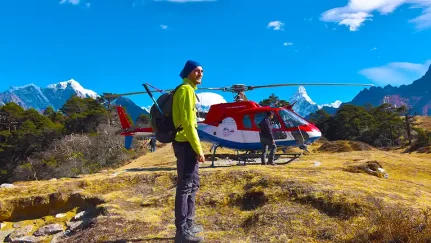
- You get help in emergencies, like arranging for helicopter evacuations if needed.
Challenges of Guided Trekking:
- It costs more because you have to pay for a guide, tips, and sometimes a group package.
- You have less freedom to change your plans.
Solo Trekking vs. Guided Trekking: Which Is Faster?
Solo trekking gives you more flexibility, but it can take longer because of challenges with navigation and self-managing logistics. Guided trekking is usually quicker because the guide has all the knowledge and support you need.
| Aspect | Solo Trekking | Guided Trekking |
| Average Duration | 12-16 days | 12-14 days |
| Risk of Delays | Higher (navigation, acclimatization) | Lower (expert planning and guidance) |
| Cost | Lower (no guide fees) | Higher (guide fees and tips) |
| Flexibility | High | Moderate |
| Safety | Lower (self-reliance) | Higher (expert support) |
Expert Opinions: Why Guides Make a Difference
Pasang Sherpa, a skilled guide from Nepal, says, “A guide can make all the difference between a smooth trek and one filled with problems. We keep trekkers on schedule, watch their health, and adjust the route if the weather changes. With a guide, you’ll feel more confident and trek more efficiently.”
The Himalaya Guide Association also says that guides save time by booking accommodations in advance, especially during busy seasons, helping to avoid the delays that solo trekkers often face.
Key Things to Think About When Choosing Between Solo and Guided Trekking
- Experience Level: If it’s your first trek, a guide will help with pacing and safety.
- Budget: Solo trekking costs less but may come with more risks and delays.
- Goal: If you want to finish the trek on time, a guide can help you stay on track.
Final Thoughts: Which Option Is Best for You?
Whether you choose to trek solo or with a guide depends on what matters most to you. If you want freedom and flexibility, solo trekking might be the right choice, but be ready for possible delays. If you value time, safety, and learning about the culture, guided trekking is the better option.
Either way, both choices will allow you to experience the amazing beauty of the Himalayas and reach Everest Base Camp. It’s not just about how long the trek takes; it’s about the journey, the memories, and the adventure you’ll never forget.
Understanding the Everest Base Camp Trek Difficulty and Time
Trekking to Everest Base Camp is a dream for many, but it’s not an easy journey. Known for its amazing views, rich culture, and the chance to stand at the foot of the world’s tallest mountain, the trek is unforgettable. However, it’s important to understand that the difficulty of the trek affects how long it takes to finish. Most trekkers complete the trek in 12 to 14 days, but the time can vary depending on fitness, experience, and the trek’s challenges.
How Hard Is the Everest Base Camp Trek?
Before starting, it’s important to know how hard the trek is. Even though it doesn’t require climbing skills, the Everest Base Camp trek needs good physical and mental strength. The altitude, weather, and tough terrain can make it difficult. Here are the main challenges trekkers face:
- Altitude: The altitude is one of the hardest parts of the trek. Starting at 2,860 meters in Lukla, trekkers climb to over 5,364 meters at Everest Base Camp. With the thinner air at high altitudes, your body gets less oxygen, which can lead to altitude sickness. To prevent this, it’s important to take rest days to help your body adjust.
- Trekking Terrain: The trail is not an easy walk. It includes steep climbs and descents, rocky paths, narrow ridges, and river crossings. This rugged terrain can be hard on your body, especially when you trek for hours every day.
- Weather Conditions: The weather in the Himalayas can change quickly. It can be freezing at night, and snowstorms or heavy rain can make the trail slippery and hard to follow. This unpredictable weather can also affect how long it takes to complete the trek.
- Duration and Fatigue: Most days, you’ll trek for 4 to 8 hours, depending on your pace and the route. This can lead to tiredness, especially at higher altitudes. It’s important to listen to your body and go at a pace that works for you to avoid getting too tired.
How Does Difficulty Affect the Time?
While the average duration for the Everest Base Camp trek is 12 to 14 days, how hard the trek is can make it take longer or shorter. Here’s how:
- Fitness Level and Experience: People who are in good shape and have experience trekking may finish faster. But if you’re not used to hiking in high-altitude conditions, it may take longer to adjust, which can make the trek last longer. For example, someone who has hiked before may find it easier to cover the daily distance, while a first-time trekker may need extra rest days or a slower pace.
- Acclimatization Needs: Acclimatization is key to avoiding altitude sickness. If trekkers go up too quickly without taking rest days, they can get sick and slow down. Trekking companies suggest resting at places like Namche Bazaar or Dingboche to help your body adjust. If you rest enough, it can help you avoid sickness and finish faster.
- Weather Conditions: Bad weather like snowstorms or heavy rain can slow you down or even stop you for a day or more. If this happens, you may need to adjust your schedule to make up for lost time.
- Guided Trek vs. Solo Trek: If you hire a guide, the trek might be faster. Guides know the best routes, the weather, and how to help you acclimatize. They also manage the pace to keep you healthy and on track. If you go solo, you may need to adjust your pace and rest days, which could make the trek last longer.
Expert Opinion on Trekking Difficulty and Duration
Pasang Sherpa, an experienced trekking guide, says, “The difficulty of the Everest Base Camp trek depends on the person. A strong trekker who adjusts well to the altitude may finish in 12 days, while someone who isn’t prepared may need 16 days or more. It’s not just about being fit; how your body handles the altitude matters.”
Trekking agencies agree that altitude sickness is often what affects how long the trek takes. Sanjay Lama, a trekking guide with over 20 years of experience, says, “Taking time to acclimatize properly will help you avoid sickness and cut down the time you spend on the mountain.”
How to Manage Difficulty and Minimize Trek Duration
If you’re worried about how long the trek will take or how hard it will be, here are some tips to help manage the challenges:
- Prepare Physically: It’s important to train before your trek. Work on your endurance, strength, and cardio fitness. Practice hiking with a heavy backpack to get used to trekking conditions.
- Follow a Proper Itinerary: Stick to an itinerary that includes rest days and acclimatization hikes. Rushing through the trek might shorten the time, but it increases the risk of altitude sickness and delays.
- Consult With Experts: Talk to your trekking agency or experienced guides before starting. They can help you plan the route, rest days, and pace to make sure the trek fits your abilities.
- Listen to Your Body: Watch for signs of altitude sickness, like headaches, dizziness, or nausea. Don’t push yourself too hard—take the rest days you need to stay safe and keep going.
Final Thoughts: The Trek is Challenging, but Achievable
The Everest Base Camp trek is definitely tough, but with good preparation, careful pacing, and understanding the risks, it’s a goal that most trekkers can reach. The trek’s length can change based on your fitness, how well you adjust to the altitude, and how you handle the challenges along the way. Whether it’s your first trek or you’re an experienced hiker, this journey will be an amazing and rewarding experience. So, don’t let the difficulty scare you—accept the challenge, and take your time to enjoy every step as you move toward the base camp of the world’s tallest mountain!
Conclusion: How Long Should You Plan for Your Everest Trek?
Planning your Everest Base Camp trek is an exciting and important part of getting ready for an unforgettable adventure. As you’ve seen, the length of the trek can vary based on a few factors, like your fitness, the route you choose, the weather, and how you adjust to the altitude. On average, most trekkers finish in 12 to 14 days, but it’s important to stay flexible to make sure your journey is safe and enjoyable.
To help you prepare, here are some key tips for planning the right length for your Everest Base Camp trek:
- Factor in Acclimatization: Your body needs time to get used to the altitude. Make sure to add rest days, especially after reaching places like Namche Bazaar and Dingboche. These stops help your body adjust to the thinner air. Skipping these rest days can increase the chance of altitude sickness, which could make the trek longer.
- Assess Your Fitness Level: The trek can be physically tough, so it’s important to know how fit you are before you go. If you’re not sure about your abilities, it’s a good idea to add a few extra days for rest or a slower pace. Trekkers who are in good shape may finish in the lower part of the time frame, but remember, the altitude can affect even the fittest trekkers.
- Be Prepared for Weather Delays: Weather in the Himalayas can be unpredictable, so it’s smart to plan for extra days in case of delays. Snow, rain, or storms can slow you down, especially at higher altitudes.
- Consult with Professionals: Talk to trekking experts who can help you choose the best route and suggest a good itinerary. Experienced guides will make sure you keep a safe pace while helping you enjoy the trek to the fullest.
In conclusion, planning the right amount of time for your Everest Base Camp trek is an important part of preparing for this adventure. By thinking about acclimatization, your fitness, and possible weather delays, you can create a plan that matches your personal pace and ensures a successful and unforgettable trek. Start planning today—because the adventure of a lifetime is waiting at the foot of the world’s tallest mountain!

I have had the privilege of leading countless trekkers through some of the world’s most iconic routes, including the Everest Base Camp Trek and Annapurna Base Camp Trek. Every trek is not just a physical journey; it’s an opportunity to connect with nature, immerse ourselves in rich cultures, and create lasting memories.
I believe that trekking is about more than just reaching a destination; it’s about the stories we share along the way. My fluency in Spanish, English, Hindi, and even some Japanese and Korean allows me to connect with trekkers from all walks of life, ensuring that every journey is tailored to your unique desires and needs.