English
 Dutch
Dutch Japanese
 Hindi
Hindi Italian
 Spanish
 French
 German
 Chinese
 Korean
 Arabic
 Hebrew
 Russian
 Portuguese
 Danish
 Czech
Czech Polish
 Swedish
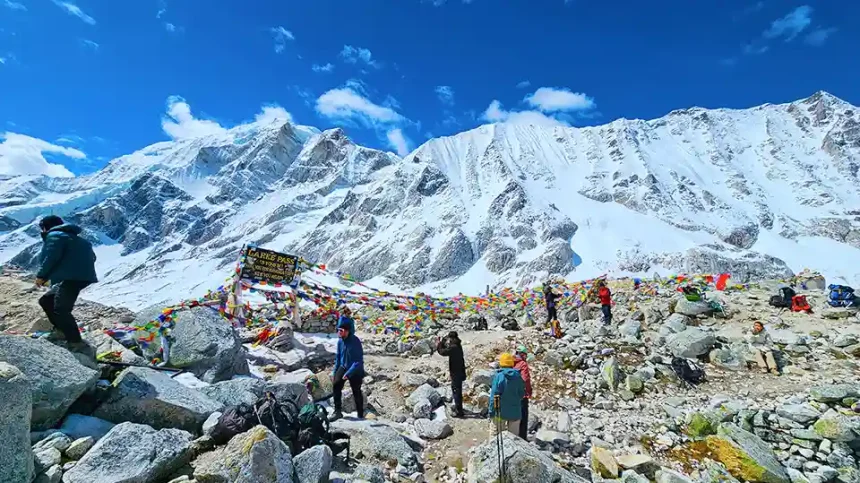
Imagine standing at the edge of a world that only the boldest adventurers explore. Picture yourself gazing at endless snow-covered peaks and rugged landscapes. This is the magic of Larkya La Pass, a high mountain pass in Nepal’s Manaslu region. At 5,160 meters (16,929 feet) above sea level, this place offers an adventure that’s both challenging and rewarding. It’s where the spirit of adventure meets the towering beauty of the Himalayas—a destination calling out to those ready for the challenge.
Larkya La Pass isn’t just a place to reach; it’s a journey that tests your strength, fills your soul with nature’s beauty, and immerses you in the culture of Nepal’s mountain communities. As you hike through glacial valleys, climb high ridges, and marvel at the peaks of Manaslu, Annapurna, and Ganesh Himal, every step proves your determination and love for adventure.
This trek is perfect for seasoned hikers, but even beginners with good fitness can take it on—if they prepare well. The trail is tough, with high altitudes and unpredictable weather, but the experience is worth it. Whether you’re an experienced trekker or someone looking for your next big adventure, this guide will help you conquer Larkya La Pass like a pro.
In this guide, we’ll cover everything: the best time to visit, permits, preparing for high altitudes, choosing a trekking company, and what to pack. Ready to begin your adventure? Let’s dive into one of Nepal’s most exciting and breathtaking treks!
Planning Your Larkya La Pass Trek
Planning is key for tackling the challenges of this high-altitude Himalayan trek. From choosing the best season to understanding the trail conditions, preparation is essential. Let’s start with the best times to trek the Larkya La Pass.
Best Time to Trek Larkya La Pass
The best times to trek Larkya La Pass are in autumn (September to November) and spring (March to May). These months have stable weather, clear skies, and stunning mountain views. Let’s look closer at these seasons:
Autumn (September to November):
Autumn is the most popular season for trekking in Nepal. The weather is cool, dry, and predictable, with clear skies that reveal breathtaking Himalayan views. Daytime temperatures hover around 10°C (50°F), while nights at higher elevations can dip below freezing. The trails are dry and easy to walk on, with fewer risks of rain or landslides.
Spring (March to May):
Spring is another excellent choice for trekking. The weather is warmer during the day, though it can still be freezing at night in higher areas. Spring also brings blooming wildflowers, adding splashes of color to the trails. With clear skies and pleasant conditions, you can enjoy stunning views of the mountains and lush valleys.
While autumn and spring are ideal, trekking in summer (June to August) or winter (December to February) is more challenging:
Summer (June to August):
Summer is monsoon season, bringing heavy rains that make trails slippery and dangerous. Landslides are more common, and cloudy skies often hide the mountain views.
Winter (December to February):
Winter brings extreme cold and heavy snow at high altitudes, making trekking tough and uncomfortable. Temperatures can drop to -20°C (-4°F) at night, and deep snow can block trails. If you choose to trek in winter, you must be prepared for harsh conditions.
Larkya La Pass Weather
Weather conditions vary as you climb higher. Above 4,000 meters (13,123 feet), temperatures drop sharply, especially after sunset. Even during spring or autumn, freezing nights are common. Unpredictable weather makes it essential to carry warm layers, waterproof gear, and reliable trekking equipment.
- Guide to larkya La Pass and Glacier
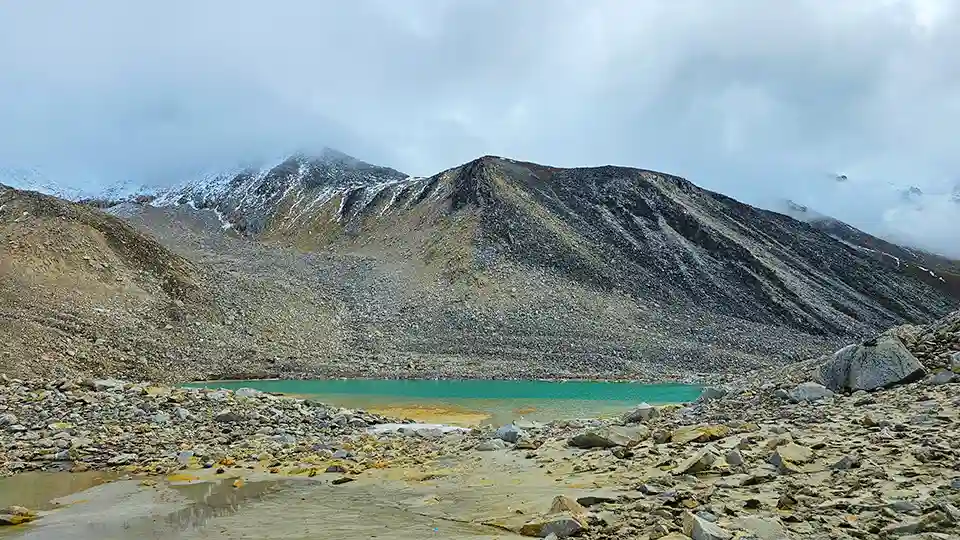
Peak Season Statistics
- Autumn: Most popular season, with perfect weather and clear views. Expect more trekkers on the trail.
- Spring: Warmer than autumn, with blooming flowers and equally great views.
- Summer & Winter: Fewer trekkers due to tough weather. These seasons are better for experienced hikers seeking solitude.
By trekking during the best months and preparing for changing weather, you’ll make the most of this incredible journey.
Permits and Regulations
Before starting the trek, you’ll need proper permits and must follow Nepal’s trekking regulations. This is important for your safety, legal compliance, and the conservation of Nepal’s natural beauty.
Here’s what you need to know about permits, fees, and rules for trekking the Larkya La Pass.
Permits You Need for the Larkya La Pass Trek
Trekking in Nepal, especially in areas like Larkya La Pass, requires special permits. These permits are not just for your safety but also to protect the environment. Here’s what you’ll need:
- Annapurna Conservation Area Permit (ACAP)
Since the trek passes through the Annapurna Conservation Area, you’ll need an ACAP permit. This helps fund conservation work in the region. The cost is about NPR 3,000 (around USD 25), though it might vary slightly if arranged through a trekking agency.
- Trekking Information Management System (TIMS) Card
This card is needed for all trekkers in Nepal. It allows authorities to keep track of trekkers in case of emergencies. For Larkya La Pass, the TIMS card costs about NPR 2,000 (USD 17) for solo trekkers and NPR 1,000 (USD 8.5) for those in a group.
- Larkya La Pass Special Permit
Because Larkya La Pass is part of the Manaslu Circuit, you’ll need a special permit to cross it. This permit is only available through licensed trekking agencies. It costs between NPR 1,500 and 2,000 (USD 12-17). You also need to trek with at least one other person if you’re not joining a group.
- Manaslu Conservation Area Permit (MCAP)
This permit is required as the pass is within the Manaslu Conservation Area. The fee for MCAP is typically NPR 2,000 (USD 17). It helps protect the wildlife and natural beauty of the area.
Trekking Rules in Nepal
Following the rules is important for a safe and respectful trekking experience. Here’s what to keep in mind:
- Licensed Trekking Agencies
For the Larkya La Pass, trekking with a licensed guide or through a registered agency is mandatory. The Nepalese government enforces this rule, and your agency will also handle the permits and other arrangements.
- Group Policy
You can’t trek alone in this region. You must have at least one other trekker in your group to get the special Larkya La Pass permit. Solo trekkers must join a group organized by an agency.
- Environment-Friendly Trekking
You must follow Leave No Trace principles. This means carrying your trash, avoiding harm to the environment, and respecting the natural surroundings to keep the area pristine for future trekkers.
- Restricted Area Rules
Larkya La Pass lies in a restricted area, so the special permits and strict rules help maintain safety and conservation. Stick to the regulations for your safety and the environment’s well-being.
Summary of Permit Costs
Here’s a quick look at the costs:
- ACAP: NPR 3,000 (USD 25)
- TIMS Card: NPR 2,000 (USD 17) for solo trekkers, NPR 1,000 (USD 8.5) for group trekkers
- Larkya La Pass Permit: NPR 1,500–2,000 (USD 12–17)
- MCAP: NPR 2,000 (USD 17)
- Note: Prices can change. Check with your trekking agency or the Nepal Tourism Board for the latest information.
Where to Get Permits
Your trekking agency will usually handle all the paperwork and fees, making the process simple for you. If you prefer to arrange them yourself, you can get the permits at the Tourism Service Centers in Kathmandu or Pokhara. However, going through an agency is easier and more reliable.
Picking the Right Trekking Agency
Choosing the best trekking agency is crucial for a safe and enjoyable trek. They’ll help with permits, guide you on the trail, and ensure your safety. A good agency can turn your Larkya La Pass trek into a memorable adventure.
Why Hiring a Trekking Agency is a Good Idea
When trekking in challenging places like Larkya La Pass, a trekking agency can make your journey safer, easier, and more enjoyable. Here’s how they help:
- Experienced Guides with Local Knowledge
Trekking agencies provide licensed guides who know the area well. They understand the trails, weather, and potential risks. These guides can also share the cultural stories and traditions of the places you visit, making your trek more meaningful and safe.
- Safety and Support
Trekking at high altitudes can be tough, with risks like altitude sickness, bad weather, and physical strain. Trekking agencies bring guides and porters trained to handle these situations. They help you adjust to the altitude, respond quickly to emergencies, and follow a plan designed to keep you safe. They also carry first-aid kits and tools like communication devices in case of emergencies.
- Taking Care of Permits and Logistics
Agencies handle the tricky parts of planning, like getting permits, booking places to stay, and organizing meals. They also take care of transportation, so you can focus on enjoying the adventure instead of worrying about the details.
- Learning About the Culture
Trekking agencies often have local guides who can teach you about the traditions, people, and history of the places you pass through. This makes your journey richer and gives you a deeper understanding of Nepal’s culture.
Things to Think About When Picking a Trekking Agency
Choosing the right agency is as important as picking the trek itself. Here are the key points to consider:
- Experience and Good Reviews
Look for agencies with lots of experience in organizing treks like Larkya La Pass. Read reviews and testimonials from other trekkers. Reliable agencies often show these on their websites or social media pages.
- Proper Licensing
Make sure the agency is licensed by Nepal’s Tourism Board and recognized by the Ministry of Culture, Tourism, and Civil Aviation. This shows they follow safety rules and trekking standards. Certified agencies also have trained and qualified guides.
- Clear Itineraries and Flexibility
A good agency will provide a detailed plan of your trek. Check if the plan allows extra time for rest and adjusting to the altitude. Make sure the trek’s difficulty level matches your fitness and experience.
- Small Group Sizes
Some people like smaller groups because they get more attention from the guides and more flexible schedules. Ask the agency how many people will be in your group and how much personal support you’ll get.
- Transparent Costs
Ask for a clear breakdown of all costs, including permits, food, and accommodation. Hidden fees can ruin your budget, so ensure everything is clear before you book.
- Responsible Trekking
Many agencies focus on protecting the environment and supporting local communities. Ask how they minimize waste, help the local economy, and preserve nature.
Tips to Pick the Best Trekking Agency
- Do Your Homework: Search online, read reviews on websites like TripAdvisor, and ask experienced trekkers for recommendations.
- Check the Guides’ Credentials: Make sure the guides are trained and certified. If an agency can’t prove this, it’s a red flag.
- Ask About Insurance: Check if the agency provides insurance for trekkers and guides, especially for emergencies or evacuations.
- Request a Detailed Plan: If you’re unsure about the trek, ask for a day-by-day plan with details like altitudes, accommodations, and activities.
- Compare Agencies: Don’t pick the first agency you find. Compare prices, services, and reviews to find the best fit for your trek.
Larkya La Pass Trek Itinerary
The Larkya La Pass trek is an amazing but challenging adventure in the stunning Annapurna and Manaslu regions of Nepal. This trek takes you through incredible views, changing landscapes, and the exciting climb to Larkya La Pass at 5,160 meters (16,929 feet). It usually takes 12 to 14 days to finish, with plenty of time for rest and exploration.
Day-by-Day Itinerary
- Day 1: Arrive in Kathmandu
- Welcome to Nepal! You’ll arrive in the busy capital city, Kathmandu. Take time to relax and get ready for the trek. If you have free time, visit cool spots like Durbar Square or the Swayambhunath Stupa (Monkey Temple).
- Day 2: Drive from Kathmandu to Soti Khola
- After breakfast, start a long but beautiful drive to Soti Khola. You’ll pass green valleys, hills, and rivers. The ride takes about 7 to 8 hours.
- Day 3: Trek from Soti Khola to Machha Khola
- Your trek begins! Walk through pretty rice fields, thick forests, and small villages. You’ll cross some suspension bridges along the way.
- Day 4: Trek from Machha Khola to Jagat
- Hike toward Jagat, a village with awesome views of mountains and valleys. The trail is full of natural beauty.
- Day 5: Trek from Jagat to Deng
- Climb higher through thick forests, passing waterfalls and rushing rivers. The views get even better as you go up.
- Day 6: Trek from Deng to Namrung
- Enter the Manaslu Conservation Area, which is filled with amazing mountain views. You’ll spot Manaslu, one of the tallest peaks in the world.
- Day 7: Trek from Namrung to Samagaon
- Reach Samagaon, a peaceful village sitting right below Manaslu. It’s the perfect spot to rest and get used to the higher altitude.
- Day 8: Rest Day in Samagaon (Acclimatization)
- Take a break to adjust to the altitude. If you feel energetic, hike to Manaslu Base Camp or Pungyen Gompa for amazing views.
- Day 9: Trek from Samagaon to Samdo
- The journey continues to Samdo, a village surrounded by breathtaking mountain scenery. It’s a quiet, high-altitude spot.
- Day 10: Trek from Samdo to Larkya Phedi
- Hike to Larkya Phedi, your last stop before the big climb. This is where you’ll prepare for crossing the Larkya La Pass.
- Day 11: Cross Larkya La Pass and Trek to Bimtang
- Today is the highlight of the trek! Climb to the top of Larkya La Pass at 5,160 meters (16,929 feet). The views are worth every step. After crossing the pass, descend to Bimtang for some well-earned rest.
- Day 12: Trek from Bimtang to Dharapani
- On this final trekking day, you’ll head to Dharapani. The path takes you through forests and villages, ending the trek with beautiful memories.
- Day 13: Drive from Dharapani to Kathmandu
- Take a drive back to Kathmandu to celebrate your accomplishment. Enjoy some free time in the city to relax and explore.
- Day 14: Departure Day
- Depending on your flight schedule, you can visit a few more sights in Kathmandu or head straight to the airport for your journey home.
This trek is not just about reaching a high pass; it’s about enjoying every step of the journey, connecting with nature, and exploring Nepal’s beauty and culture.
Preparing for the Larkya La Pass
Trekking the Larkya La Pass is an amazing adventure, but it’s also tough on your body. To make sure your trek is safe and successful, it’s super important to prepare well. This guide will help you get fit, handle the high altitude, and pack all the right stuff for this challenging trek.
Physical Fitness and Acclimatization
Before you start trekking on the rocky and steep trails of the Larkya La Pass, you need to get your body ready. This trek takes you from 700 meters to over 5,160 meters (16,929 feet), so it’s a mix of hard climbs and high altitudes. You’ll need to be physically strong and prepared for the thinner air.
Fitness Level You Need
Trekking the Larkya La Pass is no easy walk. You’ll hike for hours every day, climbing up and down steep trails. To enjoy this adventure, you need to be in good shape. Here’s how to prepare:
- Cardiovascular Endurance: You’ll trek 5–8 hours daily, often climbing uphill. Running, cycling, brisk walking, or hiking are great ways to improve your stamina. Try hiking on hills or mountains to practice.
- Strength: Your legs need to be strong for the ups and downs. Do exercises like squats, lunges, and climbing stairs to build muscle.
- Core Stability: Exercises like planks and leg raises will help you stay steady on rough and rocky trails.
- Flexibility: Stretching and yoga are great for improving flexibility and avoiding injuries.
Training Tips
- Start Early: Begin training at least 3–6 months before the trek. Slowly increase your workout time and intensity.
- Practice Trekking: Take hikes on hills or trails while carrying a loaded backpack. This helps your muscles get used to the challenge.
- Climb Stairs: Find a long staircase or use a stair machine to build strength in your legs.
- Do Cardio Workouts: Activities like running, swimming, or cycling will boost your heart and lung strength, giving you more energy during the trek.
Altitude Sickness and Acclimatization
One of the hardest parts of this trek is dealing with high altitude. At over 5,000 meters, the air has less oxygen, and this can cause altitude sickness. Preparing for this challenge is very important.
Symptoms of Altitude Sickness
Watch out for headaches, dizziness, nausea, loss of appetite, or shortness of breath. Severe symptoms, like confusion or unconsciousness, need immediate attention.
How to Prevent It
- Climb Slowly: Follow the rule “climb high, sleep low” so your body has time to adjust to the altitude.
- Drink Water: Stay hydrated! Dehydration makes altitude sickness worse.
- Listen to Your Body: Don’t push too hard. If you feel sick, slow down or rest.
- Medication: Some trekkers take medicine like Diamox to help with altitude sickness. Talk to your doctor before using any medicine.
- Emergency Plans: If symptoms get bad, descend to a lower altitude and get medical help. Your trekking guide will know what to do in emergencies.
Packing for the Larkya La Pass
Packing smart makes your trek easier and more fun. You need to pack light but still bring everything you’ll need for the cold, rocky, and high-altitude conditions.
Essential Gear
- Trekking Boots: Waterproof boots with ankle support are a must. Make sure they’re broken in before the trek.
- Trekking Poles: These help with balance and take pressure off your knees, especially on steep trails.
- Sleeping Bag: Bring one that works in freezing temperatures (-10°C or lower). Nights at high altitudes are very cold.
Clothing
- Base Layers: Wear moisture-wicking fabrics like merino wool, not cotton, which stays wet.
- Mid Layers: A fleece or down jacket will keep you warm.
- Outer Layers: A windproof and waterproof jacket protects against rain and wind.
- Pants and Shorts: Quick-dry trekking pants are best for comfort and flexibility.
- Thermal Wear: Pack thermals for cold nights and mornings.
Accessories
- Hat and Sunglasses: Protect yourself from strong sun and cold winds.
- Gloves: Insulated and waterproof gloves will keep your hands warm.
- Buff or Bandana: Use it to protect your neck from sun and dust.
Backpack and Water
- Daypack: A 30-40L backpack for daily essentials.
- Water Bottles and Purification: Carry water and purification tablets or filters to make it safe to drink.
Snacks
- Energy bars, nuts, dried fruits, and chocolate are great for keeping your energy up while trekking.
Getting ready for the Larkya La Pass trek takes time and effort, but with proper preparation, you’ll have an amazing and unforgettable adventure.
Packing List for the Trek:
| Item | Description/Recommendation |
| Trekking Boots | Waterproof and high-ankle boots, broken-in |
| Sleeping Bag | -10°C rated for cold conditions |
| Trekking Poles | Adjustable, lightweight |
| Base Layer (Top & Bottom) | Merino wool or moisture-wicking synthetic fabrics |
| Insulation Layer | Fleece or down jacket |
| Waterproof Outer Layer | Waterproof, windproof jacket and pants |
| Gloves | Insulated, waterproof gloves |
| Hat/Sunglasses | Wide-brim hat, UV-protection sunglasses |
| Buff or Bandana | Protects from sun and dust |
| Water Bottles | 2x 1L bottles, plus purification tablets or filters |
| Snacks | Energy bars, nuts, dried fruit |
| First Aid Kit | Basic first aid kit, with altitude sickness medication |
Budget Tips
Preparing for a trek like the Larkya La Pass doesn’t have to cost a lot of money. You can save while still being ready for the adventure. Here are some simple and budget-friendly tips to help you out:
- Rent Gear: If you don’t want to spend too much, think about renting items like sleeping bags, jackets, and trekking poles. You can find rental shops in Kathmandu that offer good options at a lower cost.
- Buy Locally: Small items like water bottles, trekking socks, and snacks are usually cheaper in Nepal. Buying them locally can save you money, and you’ll still get what you need for the trek.
- Invest in Quality: While saving is great, don’t cut corners on important things like trekking boots and clothing. Spending a little more on high-quality gear will make your trek more comfortable and keep you safer on the trail.
By planning smart and spending wisely, you can stick to your budget and still have everything you need for an amazing trek.
The Thrill of the Trek
Trekking the Larkya La Pass is a super exciting adventure. It’s a journey through the breathtaking Himalayas that challenges you, rewards you with amazing views, and gives you stories to tell for years. From the first step to the final push to the pass, you’ll face thrilling highs and tough moments. Let’s dive into what makes this trek so special, the challenges you’ll face, and the incredible feeling of completing it.
Highlights of the Larkya La Pass Trek
One of the best parts of the Larkya La Pass trek is the variety of stunning landscapes you’ll see. Each day brings something new and amazing. Here are some key highlights:
- Amazing Mountain Views: As you climb higher, you’ll get incredible views of the Manaslu Range and other nearby peaks. Seeing Mt. Manaslu, the world’s eighth-highest mountain (8,163 meters), is unforgettable. Its towering presence will leave you in awe.
- Larkya La Pass: The ultimate reward is reaching the top of the Larkya La Pass at 5,160 meters. From there, you’ll see snow-covered peaks and glaciers all around. The sense of achievement is like nothing else—you’ve conquered one of the highest trekking passes in the area!
- Buddhist Monasteries and Villages: On the trail, you’ll pass through traditional Tibetan Buddhist villages like Samdo and Dharamshala. You can meet locals, watch their ancient rituals, and learn about their rich culture.
- Diverse Nature and Wildlife: From colorful rhododendron forests to icy glaciers, the trek’s natural beauty is incredible. You might even spot animals like Himalayan tahr, blue sheep, or, if you’re lucky, the rare snow leopard. It feels like walking through a real-life nature documentary!
Challenges of the Trek
This trek is amazing, but it’s not easy. It requires both physical strength and mental focus. Here are some challenges you’ll face:
- High Altitude: The thin air at high elevations can make you feel tired or give you headaches, even if you’re an experienced trekker. To avoid altitude sickness, go slow, take breaks, and let your body adjust during rest days in places like Dharamshala and Samdo.
- Steep Ascent to the Pass: The climb to Larkya La Pass is tough, especially the last few hours. The air is thin, and the trail is steep, so it can feel harder than you expect. But reaching the top makes it all worth it.
- Unpredictable Weather: Weather in the mountains changes quickly. It could be sunny one minute and snowing the next. In winter, snow and ice make the trek even harder, so be prepared with the right gear.
- Rough Terrain: The trail is rocky, with loose gravel and icy glacier crossings. These tricky sections require good boots, trekking poles, and a steady pace.
The Rewards of Conquering Larkya La Pass
Finishing the Larkya La Pass trek is about more than just checking off a challenge—it’s deeply rewarding in so many ways:
- Sense of Achievement: Standing at 5,160 meters after days of hard work feels incredible. You’ve pushed yourself and proven your strength. It’s a moment you’ll never forget.
- Unbelievable Scenery: The views on this trek are like nothing else. The mighty Himalayas, peaceful monasteries, and ever-changing landscapes will stay in your heart forever.
- Cultural Connection: Meeting the local Tibetan Buddhist communities adds a special layer to your trek. Their kindness, traditions, and hospitality make the experience even more meaningful.
- Personal Growth: The trek’s challenges—like tough climbs and long days—help you discover strength and determination you might not know you had. Many people say they feel transformed after finishing the trek.
Personal Stories
Many trekkers talk about the emotional moment of reaching Larkya La Pass. One memory that stands out for me is seeing a fellow trekker cry tears of joy at the top. It wasn’t just the view or the climb—it was the sense of proving to themselves they could do it. Moments like that stay with you forever.
The Larkya La Pass trek is as much about the journey as the destination. The tough climbs, changing weather, and rocky trails make the rewards—stunning views, personal growth, and cultural connections—feel even more special.
Conclusion
The Larkya La Pass trek is one of the most exciting high-altitude adventures in the Himalayas. From the majestic Manaslu Range to the vibrant Tibetan Buddhist villages, this trek offers challenges and rewards that few others can match. Whether you’re climbing steep trails, braving the weather, or soaking in the peace of the mountains, every moment deepens your connection to nature and yourself.
In this guide, we’ve covered everything you need to know: the best time to go, permits, training tips, and gear. We’ve also highlighted the trek’s beauty, challenges, and the thrill of reaching the pass. By preparing well, you’ll be ready for this incredible journey.
If you’ve been dreaming of trekking in the Himalayas, now is the perfect time to take on the Larkya La Pass. It’s more than a trek—it’s an unforgettable adventure. Whether you’re an experienced hiker or looking for your next big challenge, this trek will push your limits and leave you with memories to last a lifetime.
So, tie your boots, pack your gear, and get ready for an epic journey. The mountains are calling, and the Larkya La Pass is waiting for you.
Final Thoughts
I’ve had the chance to explore many stunning treks in Nepal, but the Larkya La Pass stands out. It’s tough, beautiful, and life-changing. Standing at the top, you feel a mix of triumph and awe that’s hard to describe.
If you’re ready to challenge yourself, embrace the beauty of the Himalayas, and take home unforgettable stories, don’t wait. The Larkya La Pass will test you, inspire you, and stay with you forever.
Are you ready for the adventure of a lifetime?

I have had the privilege of leading countless trekkers through some of the world’s most iconic routes, including the Everest Base Camp Trek and Annapurna Base Camp Trek. Every trek is not just a physical journey; it’s an opportunity to connect with nature, immerse ourselves in rich cultures, and create lasting memories.
I believe that trekking is about more than just reaching a destination; it’s about the stories we share along the way. My fluency in Spanish, English, Hindi, and even some Japanese and Korean allows me to connect with trekkers from all walks of life, ensuring that every journey is tailored to your unique desires and needs.