English
 Dutch
Dutch Japanese
 Hindi
Hindi Italian
 Spanish
 French
 German
 Chinese
 Korean
 Arabic
 Hebrew
 Russian
 Portuguese
 Danish
 Czech
Czech Polish
 Swedish

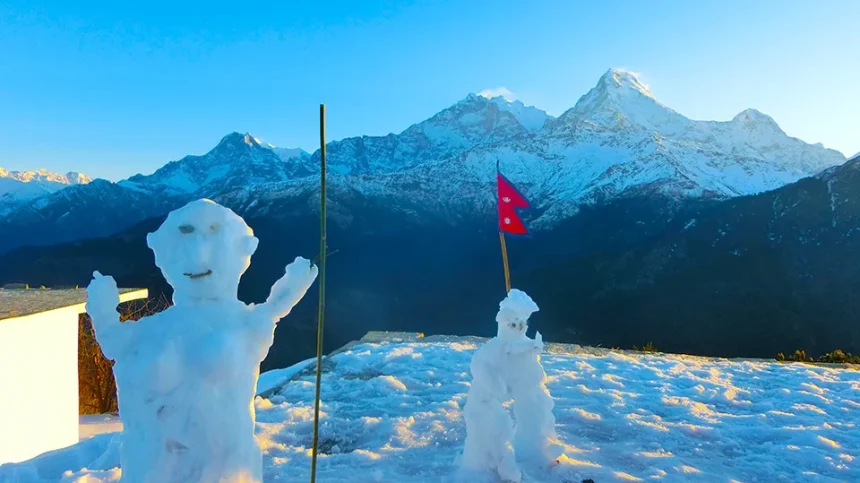
The Poon Hill trek is one of the most loved short treks in Nepal. It’s famous because it gives you amazing views, a chance to experience Nepalese culture, and it’s easy to do. Whether you’re new to trekking or have done it before, this trek will feel special and stay in your memory forever.
Poon Hill is in the beautiful Annapurna region. It’s a spot where you can see the mighty Annapurna and Dhaulagiri mountains. If you go there at sunrise, the peaks shine in golden light, creating a magical scene that feels like a dream. On the way, you’ll walk through forests full of rhododendron flowers, visit Gurung and Magar villages, and see terraced fields where people grow crops.
What makes this trek stand out is that it’s easy to reach and doesn’t take too long. While some Nepal treks need weeks of planning, you can finish the Poon Hill trek in just 4 to 5 days. That’s why it’s great for people who don’t have much time or are trying trekking for the first time. But don’t worry—this trek is so stunning that even experienced trekkers will love it.
Why is Poon Hill Famous?
It’s not only the breathtaking views but also the chance to experience Nepal’s culture and meet its friendly people. Many ask, “Is Poon Hill an easy trek?” The answer is yes! It’s a moderate trek, suitable for most people, even families and beginners.
If you’re looking for an adventure with nature, culture, and the beauty of the Himalayas, the Poon Hill trek is perfect.
What Is the Poon Hill Trek?
Overview of the Poon Hill Trek
The Poon Hill trek is a short and beautiful adventure in the Annapurna region of Nepal. It’s famous for its sunrise views and amazing mountain scenery, making it popular with both new and experienced trekkers.
Poon Hill (3,210 meters) is the highlight of the trek. From here, you can see the Annapurna (8,091 meters) and Dhaulagiri (8,167 meters) mountains. Watching the sun rise over these peaks is a magical moment. The mountains shine in shades of gold and orange, something you’ll never forget.
This trek is loved because it’s easy to plan and doesn’t take too long. It’s only 4 to 5 days long, so you don’t need weeks of preparation or time to adjust to high altitudes. The trail is not too hard, making it great for families, beginners, or anyone wanting a scenic hike.
During the trek, you’ll see terraced fields, thick forests with rhododendron flowers, and Gurung and Magar villages. These villages give you a chance to learn about Nepal’s rich culture. The mix of nature and the kindness of the local people makes this trek special.
Expert trekking guide Rajan Shrestha says, “The Poon Hill trek is perfect for beginners or anyone short on time. It’s not too hard, but the views are some of the best in the Himalayas.”
Where is Poon Hill?
Poon Hill is in the Ghorepani village in the Myagdi District of Nepal’s Annapurna region. This area is part of the Annapurna Conservation Area, one of Nepal’s top trekking spots.
Most trekkers start the journey from Nayapul, a small town near Pokhara. From there, the trail goes through forests, small villages, and stunning landscapes until you reach Ghorepani. Poon Hill is just a short hike from Ghorepani, so it’s easy to get to and worth the effort.
The location of Poon Hill is perfect for seeing the Himalayas. From the top, you can enjoy a 360-degree view of the surrounding peaks.
Quick Facts:
- Where is Poon Hill? It’s in Ghorepani village in Nepal’s Annapurna region.
- What makes the trek special? Beautiful sunrise views of the Annapurna and Dhaulagiri ranges, plus an easy and scenic trail for all levels of trekkers.
Why Choose the Poon Hill Trek?
The Poon Hill trek is like a treasure in Nepal’s trekking world. It gives you amazing views of mountains, a chance to enjoy local culture, and it’s easy to reach. Whether you’re new to trekking or have done it before, Poon Hill has something special for everyone. Here’s why adventurers from all over the world love it!
Stunning Mountain Views
Imagine standing on top of Poon Hill, 3,210 meters above sea level, as the sun slowly rises. The light touches the Annapurna (8,091m) and Dhaulagiri (8,167m) mountains, turning them golden. The sky is so clear, and the view is so beautiful that you’ll never forget it.
From Poon Hill, you can also see other amazing peaks like Machhapuchhre (Fishtail) and Nilgiri Himal. The view is magical and one of the best parts of trekking in Nepal.
- Fun Fact: Every year, over 40,000 trekkers visit Poon Hill because of its breathtaking beauty.
Perfect for All Skill Levels
One of the best things about the Poon Hill trek is that almost anyone can do it. The trek isn’t too hard, so it’s great for:
- Beginners: If you’ve never trekked before, this is perfect. The trails are clear, the days aren’t too long, and there are comfy lodges to rest in.
- Experienced Trekkers: Even if you’ve trekked before, you’ll love the amazing views and cultural experiences.
- Families and Groups: Traveling with kids or friends? This trek is short and not very tough, so it’s great for everyone.
Unlike other famous treks like the Everest Base Camp trek or the Annapurna Circuit, the Poon Hill trek doesn’t take as much time, money, or energy. You can finish it in just 4 to 5 days, which is perfect if you’re on a budget or short on time.
Quick Tips:
- Is the Poon Hill trek worth it? Yes! It’s beautiful, easy to do, and full of culture.
- Why visit Poon Hill? To see a golden sunrise over the Himalayas and experience Nepal’s amazing culture.
Rich Cultural Experience
The Poon Hill trek isn’t just about nature—it’s also about meeting amazing people and learning their way of life. On the trail, you’ll pass through friendly Gurung and Magar villages. Here’s what you can look forward to:
- Warm Hospitality: Stay in small teahouses run by kind local families.
- Tasty Food: Try local dishes like dal bhat (lentils and rice), dhido (a traditional flour-based dish), and fresh Himalayan tea.
- Festivals and Traditions: Learn about local dances, clothes, and customs that have been passed down for generations.
Walking through these villages is like stepping into a different world. You’ll make connections and understand a way of life that is deeply connected to the mountains.
Expert Opinion: Travel blogger Sarah Lawson says, “The Poon Hill trek is the perfect mix of culture and natural beauty. Every step feels like an invitation into Nepal’s amazing heritage.”
Why Poon Hill is Special
The Poon Hill trek stands out because of its amazing views, easy trails, and the chance to experience local culture. Whether you come for the sunrise, the traditions, or the adventure, Poon Hill will leave you with memories you’ll always treasure.
Best Time to Visit Poon Hill
Picking the right time to trek to Poon Hill helps you enjoy the amazing views and beautiful nature to the fullest. While you can visit any time of year, some seasons are better for trekking than others.
Spring (March to May)
Spring is one of the best times to visit Poon Hill, and it’s easy to see why:
- Clear Skies: The weather is sunny and crisp, so you can enjoy clear views of the Annapurna and Dhaulagiri mountains.
- Flowers in Bloom: Rhododendrons, Nepal’s national flower, bloom in red, pink, and white, making the trails colorful and vibrant.
- Comfortable Weather: Daytime temperatures range from 10°C to 20°C (50°F to 68°F), perfect for trekking.
Tip: Start your trek early in the morning for the clearest skies and to avoid afternoon haze.
Downside: Spring is a popular time, so you’ll find more trekkers on the trails and teahouses may be busier.
Autumn (September to November)
Autumn is another great season for trekking to Poon Hill.
- Crystal-Clear Skies: The rain from the monsoon season clears the air, leaving blue skies and perfect mountain views.
- Comfortable Temperatures: Daytime temperatures are between 12°C and 18°C (54°F to 64°F), making it pleasant for trekking.
- Festive Spirit: This season coincides with big Nepali festivals like Dashain and Tihar, giving you a chance to enjoy local celebrations.
Quick Answer: If someone asks, “When is the best time to visit Poon Hill?” tell them spring and autumn are the best for clear skies and great weather.
Downside: Just like spring, autumn is busy, so it’s a good idea to book your teahouses early.
Off-Season Trekking
If you prefer fewer crowds or want a different experience, trekking in the off-season (winter or monsoon) could be for you.
Winter (December to February)
- What’s Great:
- The trail is quieter, with fewer trekkers.
- Snow-covered mountains create a peaceful and magical setting.
- Challenges:
- It gets very cold, with nighttime temperatures dropping to -2°C to -5°C (28°F to 23°F) at higher altitudes.
- Mornings can be foggy, making it harder to see the sunrise.
Quick Answer: “Can you trek Poon Hill in winter?” Yes, but you’ll need warm clothes and gear to handle the cold.
Monsoon (June to August)
- What’s Great:
- The trails are surrounded by lush greenery and colorful flowers.
- There are fewer trekkers, so it feels more peaceful.
- Challenges:
- Frequent rain makes the trails muddy and slippery.
- Clouds often block the mountain views.
Tip for Off-Season Trekkers: Hire an experienced guide to help you navigate tricky weather and trail conditions.
No matter when you go, Poon Hill offers an unforgettable trekking experience. Choose the season that matches your preferences, and get ready for an adventure you’ll always remember!
Weather Statistics
| Season | Avg. Day Temp | Avg. Night Temp | Rainfall |
| Spring (Mar-May) | 10°C – 20°C | 5°C – 10°C | Low |
| Summer (Jun-Aug) | 15°C – 22°C | 10°C – 15°C | High |
| Autumn (Sep-Nov) | 12°C – 18°C | 5°C – 10°C | Low |
| Winter (Dec-Feb) | 5°C – 12°C | -2°C – 5°C | Minimal |
Expert Advice
Local guide Karma Gurung says, “Spring and autumn are the best times to visit Poon Hill. The weather is just right, and the trails are full of nature’s beauty. But if you like peace and quiet, winter is great too—as long as you’re ready for the cold.”
Spring and autumn are the top seasons for trekking to Poon Hill, but every season has something special. Pick the time that fits what you enjoy most—whether it’s sunny skies, colorful flowers, or a quieter trail.
Detailed Poon Hill Trek Itinerary
The Poon Hill trek offers a beautiful mix of nature, culture, and comfort. This 4-5 day trek is perfect for anyone who wants a short but amazing adventure in Nepal. Here’s a day-by-day guide to plan your journey:
Day 1: Arrival in Pokhara
- Highlights: Arrive in Pokhara, a peaceful city and the starting point for the Annapurna region.
- Activities:
- Explore Lakeside, a lively area with shops, cafes, and great views of Phewa Lake.
- Optional: Go boating on Phewa Lake or visit the World Peace Pagoda.
- Altitude: 822m (2,697ft)
- Tips:
- Rest up and get your trekking gear ready.
- Check local trekking shops for any last-minute items.
Quick Answer: “What is the starting point for Poon Hill trek?” It usually starts with an overnight stay in Pokhara.
Day 2: Drive to Nayapul and Trek to Tikhedhunga
- Distance: 10km (6.2 miles) trek
- Duration: 1.5-hour drive + 4-5 hours trekking
- Highlights:
- Enjoy a scenic drive from Pokhara to Nayapul (1,070m / 3,510ft).
- Walk along the Modi Khola River and pass through lovely villages like Birethanti.
- Reach Tikhedhunga (1,577m / 5,173ft).
- Tips:
- Wear comfy shoes since the trail has mixed terrain.
- Stay hydrated and take breaks at teahouses along the way.
Day 3: Trek to Ghorepani
- Distance: 12km (7.5 miles)
- Duration: 6-7 hours trekking
- Highlights:
- Climb 3,200 stone steps to Ulleri, a Magar village with stunning mountain views.
- Walk through rhododendron forests, especially colorful in spring.
- Arrive at Ghorepani (2,874m / 9,429ft), a village with views of the Annapurna and Dhaulagiri ranges.
- Elevation Gain: Approx. 1,300m (4,265ft)
- Tips:
- Take your time climbing to avoid getting tired.
- In the evening, explore Ghorepani and get ready for an early morning hike.
Day 4: Sunrise at Poon Hill and Trek to Tadapani
- Distance: 10km (6.2 miles)
- Duration: 1-hour hike to Poon Hill + 6 hours trekking to Tadapani
- Highlights:
- Start early to hike to Poon Hill (3,210m / 10,531ft) for a stunning sunrise over the Annapurna and Dhaulagiri ranges.
- Head back to Ghorepani for breakfast.
- Walk through magical forests to reach Tadapani (2,610m / 8,563ft).
- Tips:
- Wear warm clothes for the early morning hike since it’s cold.
- Keep your camera handy for breathtaking views.
Quick Answer: “How far is Poon Hill from Ghorepani?” It’s about a 1-hour uphill hike.
Day 5: Trek Back to Pokhara
- Distance: 14km (8.7 miles) trek + drive to Pokhara
- Duration: 5-6 hours trekking + 1.5-hour drive
- Highlights:
- Descend through terraced fields and visit villages like Ghandruk, known for its Gurung culture.
- Enjoy views of Annapurna South and Machapuchare along the trail.
- End your trek at Nayapul (1,070m / 3,510ft), then drive to Pokhara.
- Tips:
- Celebrate finishing your trek with a delicious Nepali meal in Pokhara.
- Relax by the lake or enjoy Pokhara’s nightlife.
Expert Recommendations
Trekking guide Ram Bahadur, with over 10 years of experience, says: “The Poon Hill trek is perfect for beginners. It’s short and not too high, but the mountain views and cultural experiences are unforgettable.”
How to Get Ready for the Poon Hill Trek
The Poon Hill trek is short and great for beginners, but you still need to prepare well to have a safe and fun time. From getting fit to packing the right stuff and getting your permits, here’s everything you need to know.
Get Fit for the Trek
The Poon Hill trek is considered easy to moderate, but you’ll still be hiking 4-7 hours daily, with some steep climbs like the Ulleri staircase. Being physically ready will make things much easier.
Fitness Tips:
- Cardio Training: Do activities like walking, jogging, or cycling for 4-6 weeks before the trek to build endurance.
- Strength Training: Work on your legs with exercises like squats, lunges, and stair climbing.
- Practice Hikes: Go on hikes with a backpack to prepare for trekking conditions.
- Flexibility and Balance: Try yoga or stretching exercises to keep your muscles relaxed and prevent tiredness.
Common Mistakes to Avoid:
- Overpacking heavy gear while practicing.
- Skipping rest days, which can make you too tired.
Expert Advice:
“Trekking isn’t just about being fit—it’s about pacing yourself and staying hydrated. Many beginners rush on the first day and get exhausted. Take it slow and steady,” says Pasang Tamang, a trekking guide.
Pack the Right Stuff
Packing smart is super important for comfort and safety.
What to Pack:
Clothing:
- Base layers that keep sweat away.
- Warm layers for cold mornings and nights.
- A waterproof jacket and pants for rain.
- Comfortable trekking pants and shirts.
- Trekking boots and wool socks.
Gear:
- A light backpack (20-30 liters).
- Trekking poles for steep climbs.
- Reusable water bottles and water purification tablets.
- A sleeping bag (if teahouses don’t provide one).
- A headlamp with extra batteries.
Personal Items:
- Sunscreen, sunglasses, and a wide-brimmed hat.
- A first aid kit with blister plasters and altitude sickness medicine.
- Snacks like energy bars or trail mix.
- Travel insurance that covers trekking.
Optional Items:
- A camera or phone for photos.
- A power bank and travel adapter.
- A lightweight book or journal.
Get Your Permits
You need two permits for the Annapurna region:
TIMS Card (Trekkers Information Management System):
- Cost:
- $10 for group trekkers.
- $20 for solo trekkers.
- Purpose: Helps track your safety and route.
ACAP (Annapurna Conservation Area Permit):
- Cost: NPR 3,000 (about $25).
- Purpose: Supports conservation efforts in the area.
Where to Get Them:
- In Kathmandu: Nepal Tourism Board Office.
- In Pokhara: ACAP counter near Lakeside.
Permit Tips:
- Bring passport-sized photos for the applications.
- Keep both digital and physical copies of your permits, just in case.
Helpful Tips
- Start Early: Begin training and packing at least a month before the trek.
- Travel Insurance: Make sure your insurance covers trekking.
- Bring Cash: Carry enough Nepali rupees since there might not be ATMs on the trail.
- Listen to Your Body: Even though the trek isn’t super high-altitude, take breaks if you feel tired.
By preparing well, you’ll be all set for an amazing adventure on the Poon Hill trek!
Poon Hill Trek Highlights
The Poon Hill trek is famous for its amazing views and rich cultural experiences. Here are the highlights that make it unforgettable:
Sunrise at Poon Hill
The sunrise at Poon Hill is the best part of the trek. As the sun comes up, the sky lights up with bright reds, oranges, and golds. The sunlight hits the snowy peaks of the Annapurna (8,091m) and Dhaulagiri (8,167m) mountains, creating a magical scene.
Imagine standing at 3,210 meters, surrounded by stunning views of big Himalayan mountains like Machhapuchhre (Fishtail), Nilgiri, and Himchuli. The fresh mountain air and the quiet chatter of trekkers around you make the moment even more special.
Expert Insight:
“The sunrise at Poon Hill is an experience you’ll never forget. Watching the mountains glow as the sun rises is truly magical,” says Karma Gurung, a local trekking guide.
Pro Tip:
Start your hike early, around 4:30 AM, to reach Poon Hill in time for sunrise. It’s a 45-minute climb from Ghorepani, and going early will help you get a great spot to enjoy the view.
Rhododendron Forests
If you trek during spring (March-May), the trails come alive with colorful red, pink, and white rhododendrons, which are Nepal’s national flower. Walking through these forests feels like entering a magical world.
The forests are not only beautiful but also filled with the cheerful sounds of Himalayan birds, making them perfect for birdwatchers and nature lovers.
Did You Know?
The Annapurna region has over 1,200 types of flowering plants, with rhododendrons being the stars during springtime.
Travel Tip:
Bring a lightweight camera or a smartphone to capture the beauty of these flower-filled trails.
Gurung and Magar Villages
The cultural side of the Poon Hill trek is just as amazing as the views. Along the way, you’ll pass through lovely villages like Ghorepani, Tadapani, and Ghandruk, home to the Gurung and Magar communities.
Highlights of Village Life:
- Stone-paved paths that feel like stepping back in time.
- Friendly locals who welcome you with big smiles.
- Unique teahouses and lodges with charming architecture.
- Tasty local food like dal bhat (lentil soup with rice) and homemade pickles.
A visit to the Gurung Museum in Ghandruk lets you learn about the history, traditional clothes, and lifestyle of the Gurung people.
Cultural Tip:
If the locals invite you to join their folk dances, don’t miss the chance! It’s a fun way to connect with their culture.
Expert Opinion:
“Many trekkers don’t realize how rich the culture is here. Sitting around a warm fire in a teahouse, sharing stories with locals, is just as special as seeing the mountains,” says Laxmi Magar, a teahouse owner in Ghorepani.
What You’ll See Along the Way
- Tall mountain peaks shining in golden sunlight.
- Green forests that slowly change into alpine landscapes.
- Himalayan animals like langurs, musk deer, and many types of birds.
- Prayer flags fluttering in the wind, spreading messages of peace and harmony.
Quick Answers:
“What are the main attractions of the Poon Hill trek?”: Sunrise views, rhododendron forests, and cultural villages.
“What can I see on the Poon Hill trek?”: Snowy mountains, colorful forests, and traditional Nepali villages.
The Poon Hill trek gives you a perfect mix of natural beauty and cultural experiences. It’s a journey you’ll always remember, even long after it’s over.
Local Culture and Communities Along the Poon Hill Trail
The Poon Hill trek isn’t just about stunning mountain views—it’s also a chance to explore Nepal’s rich culture. Along the trail, trekkers get to meet the Gurung and Magar communities, who live in harmony with the beautiful Himalayan landscape.
Gurung and Magar Heritage
The Gurung and Magar people are native to the Annapurna region and are known for their colorful traditions and friendly hospitality.
Key Cultural Highlights:
- Traditional Architecture: Villages like Ghorepani and Ghandruk have stone houses with slate roofs that blend perfectly with the mountain scenery.
- Festivals and Celebrations:
- Tihar (Festival of Lights): In autumn, homes are decorated with oil lamps, and villagers perform traditional dances.
- Dashain: Nepal’s biggest festival, celebrated with family get-togethers and prayers.
- Folk Dances and Music: Trekkers might get to see cultural dances like the Rodhi Dance, with music from local instruments like the madal (drum).
Gurung Heritage:
In Ghandruk, the Gurung Museum showcases traditional clothes, tools, and daily life items. Many Gurung men have proudly served in the British Gurkhas, which is a big part of their community’s history.
Magar Heritage:
The Magar people, one of Nepal’s oldest ethnic groups, celebrate vibrant festivals and have a strong martial history. They’re also deeply connected to farming and land-based traditions.
Expert Insight:
“Tourism helps protect our traditions. Visitors who explore our culture help ensure it stays alive for the next generations,” says Lila Gurung, a community leader in Ghandruk.
Traditional Food and Hospitality
The trek is a great opportunity to taste real Nepali food and enjoy the kind hospitality of the Gurung and Magar people.
Must-Try Foods:
- Dal Bhat: A classic Nepali meal with rice, lentil soup, and fresh vegetables.
- Gundruk: A tangy side dish made from fermented leafy greens.
- Dhido: A thick porridge made from buckwheat or millet flour, served with soup.
- Local Pickles (Achar): Spicy and flavorful, often made from radishes or chilies.
- Yak Butter Tea: A salty, energy-boosting drink, perfect for cold mountain weather.
Teahouse Experience:
Staying in teahouses is a big part of the trek. These small, family-run lodges offer simple but filling meals, cozy rooms, and a warm welcome. It’s a great way to connect with local culture and meet other trekkers.
Did You Know?
Gurung and Magar families pass down their recipes from one generation to the next. Every meal you eat on the trek is a piece of their heritage.
How Tourism Helps Keep Culture Alive
Tourism is super important for the people who live along the Poon Hill trail. When trekkers visit, they not only bring money to support the local economy but also help the younger generation feel proud of their traditions and keep them alive.
How Tourism Helps:
- Money for Locals: Teahouses, guiding services, and handmade crafts give locals a way to earn a living.
- Saving Traditions: Meeting travelers encourages locals to celebrate and share their culture.
Travel Tip: Be kind and respectful. Even a small “Namaste” with a smile can create a lovely connection.
What You’ll See and Do on the Trail
- Meet villagers in colorful traditional clothes.
- Join in folk dances or listen to stories by the fireplace in a teahouse.
- Learn how the mountains are an important part of their farming and spiritual life.
Permits and Costs for the Poon Hill Trek
Planning for your Poon Hill trek means knowing what permits you need and how much to budget for your adventure.
Permits Needed
- TIMS Card (Trekkers Information Management System):
- Cost: Around $20 USD.
- Why It’s Needed: Helps track trekkers for safety.
- Tip: If you’re trekking solo, you need to get this on your own. Trekking agencies handle this for group treks.
- ACAP (Annapurna Conservation Area Permit):
- Cost: Around $30 USD.
- Why It’s Needed: Helps protect the beautiful nature and wildlife in the area.
Both permits are easy to get in Kathmandu or Pokhara.
How Much Will It Cost?
The Poon Hill trek is budget-friendly, but prices depend on what you choose. Here’s an idea of what you’ll spend:
Transportation (Pokhara to Nayapul):
- Cost: $10–$15 USD by local bus or shared jeep.
- Tip: Local buses are cheaper!
Teahouse Accommodation:
- Cost: $5–$15 USD per night.
- Tip: Stay in simple places, especially in quieter seasons, for lower prices.
Meals:
- Cost: $20–$30 USD per day.
- Tip: Eating local dishes like Dal Bhat is tasty and affordable.
Guide or Porter (Optional):
- Guide: $20–$30 USD per day.
- Porter: $15–$25 USD per day.
- Tip: A guide or porter can make the trek easier and more fun, especially for first-timers.
Tips to Save Money
- Go in the Off-Season: Winter or monsoon months are less crowded, and prices are often lower.
- Hire Locals Directly: Local guides and teahouses are cheaper than big agencies.
- Bring Snacks: Carry your own snacks and a water bottle to save on trail expenses.
Total Cost
For a 5-day trek, expect to spend between $200–$500 USD. This includes permits, transport, food, lodging, and optional guide or porter services.
Why You’ll Love Poon Hill
The Poon Hill trek has it all: breathtaking mountain views, welcoming villages, and a chance to experience Nepal’s traditions. Whether you’re a first-time trekker or a seasoned hiker, it’s an adventure that will stay in your heart forever.
Start planning today! Whether it’s for the magical sunrise at Poon Hill or meeting friendly locals, this trek promises unforgettable memories.

I have had the privilege of leading countless trekkers through some of the world’s most iconic routes, including the Everest Base Camp Trek and Annapurna Base Camp Trek. Every trek is not just a physical journey; it’s an opportunity to connect with nature, immerse ourselves in rich cultures, and create lasting memories.
I believe that trekking is about more than just reaching a destination; it’s about the stories we share along the way. My fluency in Spanish, English, Hindi, and even some Japanese and Korean allows me to connect with trekkers from all walks of life, ensuring that every journey is tailored to your unique desires and needs.