English
 Dutch
Dutch Japanese
 Hindi
Hindi Italian
 Spanish
 French
 German
 Chinese
 Korean
 Arabic
 Hebrew
 Russian
 Portuguese
 Danish
 Czech
Czech Polish
 Swedish


Nepal is often called a trekker’s paradise because it has some of the most beautiful and amazing trekking routes in the world. While Everest Base Camp trek and Annapurna Base Camp trek are the most famous, the Mardi Himal trek is a hidden treasure that offers a quieter but just as rewarding experience. This trek is in the Annapurna region and is perfect for people who want both adventure and peace. It takes you through thick forests, rocky ridges, and eventually gives you amazing views of Mardi Himal and the famous Machapuchare (Fishtail Mountain).
Now, here’s the cool part: while most treks in Nepal have popular stops, Forest Camp is a special hidden place that you might not expect but will love. It’s in a quiet, forested area of the trek, offering a peaceful escape where trekkers can really connect with nature. Time seems to slow down here, and you can enjoy the calming sounds of wind through the trees.
This guide will help you plan your trip to Forest Camp Mardi Himal trek. Whether you’re curious about the altitude, wondering about the weather, looking for the best places to stay, or need detailed trekking tips, we’ve got everything you need. By the end, you’ll know how to make your trip to this hidden gem an unforgettable adventure.
Forest Camp: Your Peaceful Mountain Stop
Location Forest Camp is an important stop on the Mardi Himal trek, which is one of Nepal’s most beautiful and less crowded trekking routes. It’s located at about 2,550 meters (8,366 feet) and is surrounded by thick rhododendron and oak forests. It’s a perfect place for trekkers to relax and enjoy nature. Forest Camp is between Low Camp and Deurali, making it a great place to stop for rest and to get used to the altitude.
Forest Camp is also part of the Annapurna Conservation Area, meaning it’s close to other well-known trekking routes. Mardi Himal Base Camp is further up the trail, and Low Camp is the next big stop after Forest Camp. It’s also near popular starting points like Pothana and Kande, where many trekkers begin their journey to Mardi Himal. Forest Camp’s secluded spot in the forest adds to its charm, giving trekkers a chance to enjoy nature before moving up to the higher, open landscapes.
Map and GPS Coordinates If you’re using a GPS device for navigation, knowing exactly where Forest Camp is can be very helpful, especially on a less crowded trek like Mardi Himal. Here are the coordinates to help you find Forest Camp easily:
- Latitude: 28.4458° N
- Longitude: 83.8782° E
These coordinates will help you locate Forest Camp using GPS or apps like Maps.me or AllTrails. You can also find maps of the Mardi Himal trek at trekking shops in Pokhara or Kathmandu, or use digital maps if you prefer.
Forest Camp Mardi Himal: A High-Altitude Rest Stop
Altitude and Acclimatization Forest Camp is at an altitude of about 2,550 meters (8,366 feet), making it an important point on the Mardi Himal trek. At this height, trekkers start to feel the effects of thinner air, which can affect how they feel and how they perform physically. While it’s not as high as places like High Camp or Mardi Himal Base Camp, Forest Camp is often the first place where trekkers need to think seriously about acclimatizing, or getting used to the altitude.
Altitude sickness can sneak up on you, even at Forest Camp’s elevation, so it’s important to be careful. Symptoms like headaches, feeling out of breath, and tiredness can happen unexpectedly. To help your body adjust, take your time and take breaks often. One useful rule is to climb high and sleep low. This means after you arrive at Forest Camp, hike a little higher and then come back to sleep. Drinking lots of water and not drinking alcohol will also help you feel better.
If you’re worried about altitude sickness, you might want to carry medicine like Diamox, but always talk to your doctor before you go trekking. The goal is to enjoy the trek at a nice pace because, after all, the journey is what really matters.
Weather Conditions at Forest Camp
The weather at Forest Camp can change a lot depending on the time of year, so being prepared is really important for a good and comfortable trek. Since it’s higher up, you can expect cooler temperatures, especially in the mornings and evenings.
- Spring (March to May): This is a popular time for trekking, with nice daytime temperatures between 10°C and 20°C (50°F to 68°F). The forests are green, and rhododendrons bloom in bright colors. But at night, it can get below freezing, so you’ll need warm clothes.
- Autumn (September to November): This is another great time for trekking, known for clear skies and steady weather. Daytime temperatures are usually between 10°C and 18°C (50°F to 65°F), with colder nights. This season gives you the best views of the mountains, making it perfect for photographers.
- Winter (December to February): In winter, temperatures drop a lot, especially at night, sometimes going down to -5°C (23°F) or lower. There can also be snow, which makes the trek more challenging but also more peaceful and adventurous.
- Monsoon (June to August): The rainy season brings heavy rainfall, making the trails muddy and slippery. You might also see more leeches in the forest. Fewer people trek in this season, but the forests are the greenest.
Packing Tips: No matter when you trek, it’s a good idea to pack layers of clothing. Even in warmer months, mornings and evenings can be cold. A waterproof jacket is important, especially in the monsoon season, and strong, waterproof boots will keep you comfortable. If you’re trekking in winter, pack gloves, a warm hat, and thermal clothes to stay warm.
Finding a Cozy Spot: Staying at Forest Camp
Where to Stay
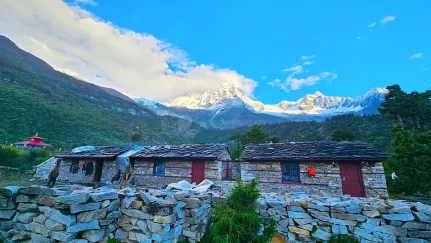
Even though Forest Camp is in a quiet, far-off area, it still has places to stay for trekkers. Most people stay in tea houses, which are small, simple lodges. These are common along the Mardi Himal trek, and Forest Camp has several. Tea houses usually have basic rooms with two beds and shared bathrooms. Don’t expect fancy things here—it’s all about staying warm and comfortable, but with only the essentials. Some tea houses might have electric blankets or hot water bottles for chilly nights, and a few might offer solar-powered hot showers for a small fee.
If you’re looking for something a bit nicer, a few lodges at Forest Camp have a little more to offer. These might have private rooms, attached bathrooms, and even Wi-Fi (though it can be slow). The more comfortable lodges fill up quickly, especially during busy trekking seasons, so it’s smart to book early if you want more comfort.
While the rooms are simple, what you get is a welcoming, homey feel. It’s a place where trekkers gather by the fire in the dining area, share stories, and prepare for the next part of the trek.
How to Book a Room
Here’s the thing: if you’re trekking in the busy seasons (spring and autumn), Forest Camp can get crowded, and finding a room might be tough. Booking early is a good idea, especially if you want a private room or a specific tea house. If you’re trekking during less busy times, you might have more choices, but be ready for fewer services, especially in the rainy or winter months.
To get the best deal, it helps to book through your trekking guide or a local agency—they often know the tea house owners. You can also call the tea houses during your trek, though phone service can be spotty in remote areas.
Remember, the cost of staying in tea houses usually goes up the higher you go. Forest Camp is no different, so plan your budget wisely. Even so, prices are still pretty affordable, so trekkers of all types can enjoy their stay.
Exploring the Beauty Around Forest Camp
Trails and Views
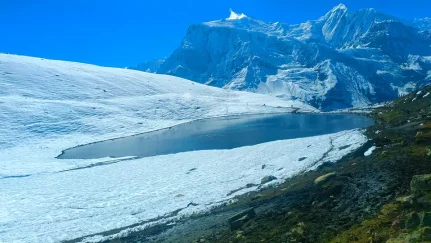
Forest Camp is not just a place to rest—it’s the start of some beautiful trails and amazing views. The paths around Forest Camp are surrounded by thick forests, making it a peaceful and almost magical spot. One of the favorite hikes from here is the trail to Low Camp, where you’ll get better and better views of Mardi Himal and the Annapurna mountain range. As you go higher, the trees give way to open fields, and soon, you’ll see the stunning snow-covered peaks.
If you’re not up for a long trek, there are a few shorter trails near Forest Camp. These give you lovely views of the green valleys below and are great if you want a break from the long hikes. The forest trails around Forest Camp are easy to walk and perfect for trekkers of all skill levels to enjoy nature’s beauty.
The quiet and calm of these trails make them perfect for taking photos, thinking quietly, or just enjoying the peaceful surroundings. Whether you’re resting or just slowing down your pace, the trails around Forest Camp give you the chance to really connect with nature.
Plants and Animals
The Mardi Himal area, especially around Forest Camp, is full of different kinds of plants and animals. As you hike, you’ll pass through thick forests filled with rhododendrons, which bloom in bright pink and red during the spring. Along with the rhododendrons, you’ll also find oak and maple trees, making Forest Camp a colorful and green place to explore.
In addition to the plants, you might see some amazing wildlife. Keep an eye out for langur monkeys swinging through the trees. If you’re lucky, you could even spot a Himalayan thar, a wild goat found in the region. Birdwatchers will love that this area is home to many birds, including the brightly colored Himalayan Monal, Nepal’s national bird.
The rich plant and animal life around Forest Camp make it feel like an untouched paradise, giving trekkers a special chance to see Nepal’s natural beauty up close. Whether you love nature or just want some peace in the wilderness, Forest Camp is a perfect place to experience the incredible ecosystems of the Himalayas.
Your Journey to Forest Camp: A Simple Step-by-Step Guide
How to Get There
Getting to Forest Camp on the Mardi Himal trek takes a little planning, but it’s part of the fun! Most people start in Pokhara, a beautiful lakeside city that leads to many trekking paths in the Annapurna region.
- By Air: The fastest way is by flying from Kathmandu to Pokhara. The flight takes about 25 minutes, and there are lots of flights available. After landing in Pokhara, you’ll need to find a ride to the starting point of your trek.
- By Bus: You can also take a bus from Kathmandu to Pokhara. This takes about 6 to 8 hours, depending on traffic. Tourist buses are more comfy, with air conditioning and more legroom. Local buses are cheaper but more crowded, giving you a more “local” experience.
- By Private Vehicle: If you want more comfort, you can rent a private jeep or car. This lets you stop and enjoy the scenery at your own pace.
From Pokhara, you’ll drive to places like Kande, Phedi, or Dhampus, where most people start the trek. This drive takes about 1 to 1.5 hours. Then, the trek to Forest Camp takes about 2 to 3 days, depending on how fast you go and if you stop at Pothana or Deurali along the way.
Trek from Deurali to Forest Camp: A Tough Climb
The walk from Deurali to Forest Camp is one of the harder parts of the Mardi Himal trek. It’s a steep path that goes through thick forests, so you need to be ready for a good challenge. As you climb, you’ll get amazing views of valleys and distant mountains. You might even catch a glimpse of Mount Machhapuchhre (Fishtail Mountain) through the trees, which is always exciting!
This climb takes about 3 to 4 hours, depending on how fast you go and how you handle the higher altitude.
Tips to Stay Safe and Manage the Climb:
- Drink plenty of water to stay hydrated.
- Go at your own pace to avoid getting too tired.
- Use trekking poles to help with balance, especially on rocky paths.
- Dress in layers so you can adjust as the temperature changes.
- Taking Breaks and Getting Used to the Altitude
Since you’re climbing higher, it’s important to take breaks so your body can get used to the altitude. Stopping for a rest every hour helps. Once you get to Forest Camp, take time to relax before heading to the next stop, like Low Camp or High Camp.
Trek from Forest Camp to Low Camp: A Peaceful Descent
After the tough climb to Forest Camp, the walk down to Low Camp is much easier. The path goes gently downhill through the forest, letting you enjoy the rhododendron and oak trees, which are especially pretty in spring. As you go down, the trees start to open up, and you get bigger views of the Annapurna mountains and Mount Machhapuchhre.
This part of the trek is more relaxing, giving you time to really enjoy the nature around you. The trail is well-marked and has fewer steep parts, making it a great chance to slow down and take it all in.
Tips for Enjoying the Descent:
- Watch your step, as going downhill can be hard on your knees.
- Take breaks to enjoy the views and snap some pictures.
- Be careful if it’s wet, as the trail can get slippery after rain.
Planning Your Return
When you get to Low Camp, you can choose to either continue your trek or start heading back. If you’re on a short trip, you can go down further to Sidhing or Kande, where you can catch a ride back to Pokhara. If you’re on a longer trek, you can head up to High Camp or even Mardi Himal Base Camp.
Things to Plan for Your Return:
- Transportation: You can arrange a private vehicle to pick you up at the end of your trek. Local buses are also available from Sidhing to take you back to Pokhara.
- Accommodation: If you plan to stay at Low Camp or another stop on your way back, book your room early during busy trekking seasons.
Conclusion
The trek to Forest Camp on the Mardi Himal route is a special mix of adventure and beautiful nature. From the tough uphill climb to the peaceful walk down, this journey is full of amazing views and the joy of being in the mountains.
Whether you’re an experienced trekker or just starting out, Forest Camp offers a chance to connect with nature and explore the quieter parts of Nepal’s mountains. So, get your gear ready, put on your boots, and start your adventure to Forest Camp—it’s waiting for you!

I have had the privilege of leading countless trekkers through some of the world’s most iconic routes, including the Everest Base Camp Trek and Annapurna Base Camp Trek. Every trek is not just a physical journey; it’s an opportunity to connect with nature, immerse ourselves in rich cultures, and create lasting memories.
I believe that trekking is about more than just reaching a destination; it’s about the stories we share along the way. My fluency in Spanish, English, Hindi, and even some Japanese and Korean allows me to connect with trekkers from all walks of life, ensuring that every journey is tailored to your unique desires and needs.