English
 Dutch
Dutch Japanese
 Hindi
Hindi Italian
 Spanish
 French
 German
 Chinese
 Korean
 Arabic
 Hebrew
 Russian
 Portuguese
 Danish
 Czech
Czech Polish
 Swedish


Why Choose Wildland Trekking in Nepal?
Nepal is one of the best places in the world for Wildland Trekking. It has tall mountains, deep forests, and beautiful rivers. Many people come here to enjoy nature and walk through quiet trails. If you love adventure and want to see amazing places, Nepal is perfect for you.
Breathtaking Landscapes
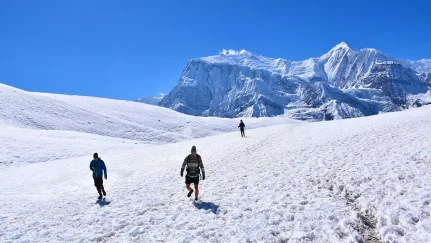
Nepal has many different kinds of landscapes. You can trek through green hills, snowy mountains, and dry valleys. The Himalayas, the tallest mountains in the world, are here. When you go Wildland Trekking, you can see places that few people visit. Some trails take you to hidden lakes, deep forests, and peaceful villages.
Rich Culture and Friendly People
Trekking in Nepal is not just about nature. You also get to meet local people and learn about their way of life. The villages along the trails have kind and welcoming people. They live in simple houses and follow old traditions. Many of them are from the Sherpa, Tamang, or Gurung communities. You can see their beautiful monasteries, temples, and prayer flags while trekking.
Wildlife and Nature
Nepal is home to many wild animals and birds. If you love nature, Wildland Trekking here is special. You may see yaks, mountain goats, and deer. In the forests, there are red pandas, leopards, and many colorful birds. The fresh air, flowing rivers, and tall trees make trekking a peaceful experience.
Challenging and Fun Trails
Nepal has easy, medium, and hard trekking routes. Some trails are great for beginners, while others are perfect for adventure lovers. If you want a challenge, you can try high-altitude trekking. You will walk on narrow paths and climb up rocky hills. The views from the top are always worth the effort.
Best Time for Wildland Trekking
The best time for Wildland Trekking in Nepal is spring and autumn. In spring (March to May), the weather is warm, and flowers bloom everywhere. In autumn (September to November), the skies are clear, and you can see the mountains perfectly. Winter is cold, and summer has a lot of rain, so these seasons are not the best for trekking.
A Budget-Friendly Adventure
Trekking in Nepal is cheaper than in many other countries. You do not need to spend a lot of money to enjoy a great adventure. There are budget lodges, affordable food, and local guides who can help you. If you plan well, you can have a great trip without spending too much.
Nepal is one of the best places for Wildland Trekking. It has everything—tall mountains, beautiful forests, amazing wildlife, and friendly people. Whether you are a beginner or an expert, there is a trek for you. If you love nature and adventure, Nepal should be on your list.
Top Wildland Trekking Routes in Nepal
Nepal is a dream place for people who love trekking. It has some of the highest mountains in the world, deep forests, and peaceful trails. Many people visit Nepal for famous treks like Everest Base Camp or Annapurna Circuit, but there are also hidden trails where fewer people go. These routes offer a quiet and real adventure in nature. If you love Wildland Trekking, Nepal has many beautiful trails waiting for you.
-
Kanchenjunga Base Camp Trek
Kanchenjunga is the third highest mountain in the world. The trek to its base camp is one of the most beautiful and less crowded in Nepal. It is in the far east of the country, close to India. This trek takes you through thick forests, remote villages, and high mountains. You will see amazing views of snow-covered peaks and meet friendly locals from the Limbu and Rai communities.
The trek is long and challenging, but if you love Wildland Trekking, this is a great choice. You will need a special permit to enter this area because it is protected. Since there are not many lodges, you may need to camp in some places. This makes the trek feel even more wild and adventurous.
-
Manaslu Circuit Trek
The Manaslu Circuit is another great trek for those who love Wildland Trekking. It circles around Mount Manaslu, the eighth highest mountain in the world. This trek is less crowded than the Everest or Annapurna treks, so you can enjoy nature in peace.
During this trek, you will walk through deep valleys, cross high suspension bridges, and see Buddhist monasteries. The Larkya La Pass, which is the highest point of the trek, offers stunning mountain views. Since this area is a restricted region, you need a special permit and must trek with a guide. The beauty of this trail makes it one of the best hidden gems in Nepal.
-
Upper Dolpo Trek
If you want a real adventure in a remote place, the Upper Dolpo trek is perfect. This region is dry and looks like Tibet, with huge brown hills and ancient monasteries. The trek takes you to Shey Phoksundo Lake, one of the most beautiful lakes in Nepal. The blue color of the water looks unreal against the dry, rocky land around it.
Upper Dolpo is one of the least explored trekking regions in Nepal. There are very few villages, and people here still follow traditional Tibetan culture. Since this is a restricted area, you need a special permit and must travel with a guide. If you love Wildland Trekking and want to experience something completely different, this is a great trek to try.
-
Makalu Base Camp Trek
Makalu is the fifth highest mountain in the world, but the trek to its base camp is not very popular. This makes it a perfect trail for those who enjoy Wildland Trekking in a quiet and wild place. The trek takes you through dense forests, high passes, and beautiful valleys.
Unlike other treks, this one does not have many lodges, so you may need to camp in some places. The route is challenging, with steep climbs and long walking days. But if you love adventure and want to see incredible mountain views, Makalu Base Camp is a great choice.
-
Nar Phu Valley Trek
Nar and Phu are two hidden villages in the Annapurna region. The trek to these villages is a great choice for people who want to see both beautiful landscapes and unique culture. The Nar Phu Valley trek takes you through narrow gorges, high mountains, and old Buddhist monasteries.
Since this area is not as famous as other treks in the Annapurna region, you will find fewer people on the trail. You need a special permit to trek here because it is a restricted area. The villages of Nar and Phu feel untouched by modern life, making this trek a great experience for those who love Wildland Trekking.
-
Rara Lake Trek
Rara Lake is the biggest and one of the most beautiful lakes in Nepal. The trek to Rara Lake is not as difficult as other treks, making it a good choice for people who want a peaceful trek in nature. The lake is in Rara National Park, which is home to many animals like red pandas, deer, and Himalayan black bears.
This trek takes you through green forests and small villages before reaching the stunning blue lake. Since this area is far from busy cities, it is one of the best places for Wildland Trekking. The reflections of the snow-capped mountains on the water make this place look like a dream.
-
Dhaulagiri Circuit Trek
The Dhaulagiri Circuit is one of the most difficult but rewarding treks in Nepal. It takes you around Mount Dhaulagiri, the seventh highest mountain in the world. This trek is for experienced trekkers who want a real challenge in Wildland Trekking.
The trail passes through thick forests, remote valleys, and high mountain passes. You will also walk on glaciers and cross some of the highest trekking passes in Nepal. Since this trek is very remote, you will need to camp in many places. The views of Dhaulagiri and other peaks are breathtaking, making all the hard work worth it.
Essential Tips for a Safe and Enjoyable Trek
Trekking is one of the best ways to explore nature. It takes you through forests, mountains, and remote villages. But trekking is not always easy. To have a good experience, you need to prepare well, pack wisely, and stay safe on the trail. If you love Wildland Trekking, these tips will help you enjoy your journey without problems.
-
Choose the Right Trek
Not all treks are the same. Some are easy, while others are very difficult. Before choosing a trek, think about your fitness level and experience. If you are new to trekking, start with a shorter and easier route. If you have done trekking before, you can try more challenging trails. Wildland Trekking in Nepal offers many options, from simple hikes to long adventures in remote areas.
-
Train Before the Trek
Trekking in Nepal means walking for many hours every day. Some trails go up and down steep hills, which can be tiring. To make trekking easier, do some training before your trip. Walking, hiking, or climbing stairs every day will help you build strength. Carrying a backpack while walking will also help you get used to the weight.
-
Pack the Right Gear
Good gear makes trekking easier and more comfortable. Here are some important things to pack:
- Good trekking shoes – Comfortable shoes with good grip help you walk safely on rough trails
- Warm clothes – The weather in the mountains can change quickly, so bring layers
- Rain jacket – Even in dry seasons, unexpected rain can happen
- Sleeping bag – Some places may not have enough blankets, so it is good to have your own
- Water bottle and filter – Clean water is important, but you may need to purify it in remote areas
- Snacks – Energy bars, nuts, and chocolate give you quick energy when you feel tired
Packing light is important, but do not forget the things you really need. If you are going on a long trek, hiring a porter can help carry heavy bags. This will make your Wildland Trekking experience more enjoyable.
-
Stay Safe on the Trail
Safety is the most important part of trekking. Here are some ways to stay safe:
- Walk slowly and take breaks to avoid getting too tired
- Drink plenty of water to stay hydrated
- Follow the trail and do not take shortcuts
- If you feel sick or have a headache, tell your guide and rest
- Do not trek alone in remote areas
Altitude sickness is a big problem in high mountains. If you feel dizzy, have trouble breathing, or get a headache, go to a lower place and rest. Trekking with a guide can help because they know how to handle emergencies.
-
Respect Nature and Local Culture
Wildland Trekking takes you through beautiful nature and villages with unique cultures. Always respect the environment by not littering and following trekking rules. In villages, greet locals with a smile and follow their customs. Buying local food and handicrafts helps support the people living there.
A safe and enjoyable trek starts with good preparation. Choosing the right trail, packing well, and staying safe on the trail will make your Wildland Trekking adventure better. With these simple tips, you can explore the mountains with confidence and enjoy every moment of your trek.
Wildlife and Landscapes You’ll Encounter
Nepal is a beautiful country with many different landscapes. From green forests to dry mountains, every place is special. When you go on Wildland Trekking, you will see many types of animals, birds, and plants. The journey takes you through different ecosystems, each with its own beauty.
Lush Green Forests
The lower parts of Nepal’s trekking routes have thick forests. These forests are full of tall trees, colorful flowers, and fresh air. You can hear birds singing and see monkeys jumping from tree to tree. Rhododendron trees, which have bright red, pink, and white flowers, cover the hills in spring. If you are lucky, you might see a red panda, which is a rare and shy animal.
Walking through the forests during Wildland Trekking feels peaceful. The sound of leaves rustling and rivers flowing makes the journey more special. The forests are also home to leopards, deer, and many types of butterflies.
Rolling Hills and Terraced Fields
As you climb higher, the forests open up to rolling hills. Here, you will see small villages with terraced fields. Farmers grow rice, wheat, and vegetables on the hillsides. You might see yaks and goats grazing near the houses.
The people in these villages live a simple life. They welcome trekkers with warm smiles and hot tea. If you stop for a rest, you can enjoy the view of green valleys and snow-capped mountains in the distance. Wildland Trekking in these areas lets you experience both nature and culture.
Alpine Meadows and Snowy Peaks
Higher up, the trees disappear, and the landscape becomes rocky. This is where the alpine meadows begin. In summer, these meadows are covered with wildflowers. Small blue sheep and mountain goats roam around, eating grass. Golden eagles and Himalayan vultures fly high in the sky.
The higher you go, the colder it gets. Snow-covered mountains rise all around. These mountains are part of the Himalayas, the tallest range in the world. Seeing them up close is one of the best parts of Wildland Trekking. The fresh mountain air and wide-open spaces make you feel free.
High-Altitude Deserts
In some trekking areas, like Upper Mustang and Dolpo, the land looks very different. Instead of forests and green hills, you see dry, rocky landscapes. These places look like deserts, with red and brown cliffs, deep canyons, and caves. The sky is bright blue, and the wind blows across the open land.
Even in this dry area, some animals survive. Blue sheep, snow leopards, and wild donkeys live in these high deserts. Trekking here feels like walking on another planet. The culture is also different, with old Buddhist monasteries and traditional Tibetan-style houses.
Nepal has some of the most diverse landscapes in the world. From green forests to dry deserts, every part of the journey is unique. During Wildland Trekking, you will see rare wildlife, beautiful plants, and breathtaking views. No matter which trail you choose, nature will always surprise you.
Best Time to Go & Permits You’ll Need
Trekking in Nepal is an amazing experience. The mountains, forests, and rivers make every journey special. But before starting your adventure, it is important to know the best time to go and the permits you need. Proper planning will help you enjoy Wildland Trekking without problems.
Best Time for Wildland Trekking in Nepal
Nepal has four seasons: spring, summer, autumn, and winter. Each season is different, and some are better for trekking than others.
Spring (March to May)
Spring is one of the best times for Wildland Trekking. The weather is warm, and the skies are clear. The forests are full of colorful rhododendron flowers. Birds and animals are also more active during this season. It is a great time to enjoy nature without too much cold or rain.
Summer/Monsoon (June to August)
Summer in Nepal means heavy rain. The monsoon season brings thick clouds, making it hard to see the mountains. The trails become muddy and slippery, and there are many leeches in the forests. However, if you like adventure and do not mind the rain, some places like Upper Mustang and Dolpo are good for trekking because they get very little rainfall.
Autumn (September to November)
Autumn is the most popular season for Wildland Trekking. The skies are clear, and the weather is perfect. The monsoon rains wash away the dust, making the air fresh. The mountains look beautiful, and the trails are in good condition. Many trekkers come during this time, so some trails can be crowded.
Winter (December to February)
Winter brings cold weather and snow in the mountains. Some high-altitude treks become too difficult because of heavy snowfall. However, lower-altitude treks are still possible. If you enjoy peaceful trails and do not mind the cold, winter can be a great time for trekking.
Permits You’ll Need for Trekking in Nepal
Before starting your Wildland Trekking journey, you must get the right permits. These permits help protect nature and local communities.
TIMS Card (Trekkers’ Information Management System)
The TIMS card is required for most treks in Nepal. It helps track trekkers and ensures their safety. There are two types:
- Individual TIMS – For solo trekkers
- Group TIMS – For trekkers going with a guide or trekking company
National Park or Conservation Area Permit
Many trekking routes go through national parks and conservation areas. You need a permit to enter these places. Some common permits include:
- Sagarmatha National Park Permit (for Everest region treks)
- Annapurna Conservation Area Permit (ACAP)
- Langtang National Park Permit
Restricted Area Permits
Some trekking areas in Nepal are considered restricted. This means you need a special permit and must trek with a guide. These areas include Upper Mustang, Dolpo, and Kanchenjunga. The permits for these places are more expensive than regular permits.
Choosing the best season and getting the right permits is important for a smooth trekking experience. Whether you trek in spring, autumn, or winter, Nepal’s landscapes are always beautiful. By following the rules and getting your permits, you can enjoy Wildland Trekking without any trouble.
Conclusion
Wildland Trekking in Nepal is a special adventure. The country has everything from green forests to snowy mountains and dry deserts. Every trail is different, and every journey is exciting. Whether you love nature, culture, or adventure, Nepal has something for you.
The best time for trekking depends on the weather. Spring and autumn are the most popular because of clear skies and good temperatures. Winter is peaceful but cold, while summer is rainy and challenging. Choosing the right season will make your trek more enjoyable.
Getting the right permits is also important. Most treks require a TIMS card and a national park permit. Some areas need special restricted area permits, and you must trek with a guide. These permits help protect the environment and support local communities.
During Wildland Trekking, you will see beautiful landscapes and amazing wildlife. You might walk through thick forests, cross high mountain passes, or explore remote villages. The views of the Himalayas are unforgettable. You may also see rare animals like red pandas, blue sheep, and even snow leopards.
Trekking in Nepal is not just about walking. It is about meeting kind people, learning about different cultures, and experiencing the beauty of nature. Every step you take brings new experiences and memories.
If you love adventure and nature, Nepal is the perfect place for you. With the right preparation and a love for the outdoors, your Wildland Trekking journey will be one of the best experiences of your life.

I have had the privilege of leading countless trekkers through some of the world’s most iconic routes, including the Everest Base Camp Trek and Annapurna Base Camp Trek. Every trek is not just a physical journey; it’s an opportunity to connect with nature, immerse ourselves in rich cultures, and create lasting memories.
I believe that trekking is about more than just reaching a destination; it’s about the stories we share along the way. My fluency in Spanish, English, Hindi, and even some Japanese and Korean allows me to connect with trekkers from all walks of life, ensuring that every journey is tailored to your unique desires and needs.