English
 Dutch
Dutch Japanese
 Hindi
Hindi Italian
 Spanish
 French
 German
 Chinese
 Korean
 Arabic
 Hebrew
 Russian
 Portuguese
 Danish
 Czech
Czech Polish
 Swedish


Guided Treks or Solo Adventures? Find the Right Path for Your Himalayan Journey”
Finding the Perfect Trekking Experience for You
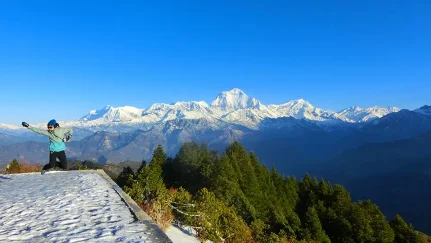
There’s something truly magical about trekking in the Himalayas. The tall, snowy peaks, peaceful meadows, and old trails tell stories of adventure. It’s a place where excitement and spirituality meet. For many, it’s a chance to learn more about themselves. For others, it’s a way to connect with nature and culture in a pure, unfiltered way.
When planning your adventure in the Himalayas, you’ll come across two popular choices: guided treks and solo treks. A guided trek means that experienced guides help you along the way. They take care of the logistics, safety, and even share local knowledge. Solo trekking, on the other hand, is all about doing it yourself—deciding your path, setting your pace, and facing challenges on your own.
This article is here to help you choose which option fits your style and goals. Whether you enjoy the support of a guide and group or prefer the freedom and challenge of trekking alone, knowing the pros and cons of both will help you make the right choice.
Remember, trekking in the Himalayas is as much about the journey as it is about the destination. One solo trekker once shared her story. She was traveling alone for the first time, hiking the Annapurna Circuit. Even though she had doubts at times, she felt like she grew as a person. She met kind villagers, faced tough weather, and felt a great sense of pride in completing the trek on her own. Another adventurer shared how his guided trek to Everest Base Camp helped him learn about the culture and build friendships that he could never have had if he was alone.
With these experiences in mind, let’s explore solo trekking and guided treks more, so you can decide the best way for you to explore the Himalayas.
The Freedom of Solo Trekking: Embrace Independence and Self-Discovery
Exploring the Mountains on Your Own Terms
There’s a special charm in starting a solo adventure in the mighty Himalayas. Imagine this: no strict schedules, no group decisions, and the freedom to stop whenever you want to enjoy a beautiful sunrise. Solo trekking lets you connect with the mountains in your own way.
Benefits of Solo Trekking
- Flexibility and Freedom: One of the best things about solo trekking is how much control you have over your trip. Unlike guided treks where everything is planned, solo trekking lets you decide everything. You can change your route to visit a hidden monastery or stay an extra day in a quiet village. You can hike at your pace, pause for as long as you like at scenic spots, and take breaks without worrying about holding up a group.
- Personal Growth Solo: trekking isn’t just a physical challenge; it’s a mental journey too. Navigating the trails on your own helps you become more independent and strong. Each challenge, whether it’s figuring out a confusing map or dealing with sudden weather changes, helps you grow. The feeling of finishing a trek all by yourself, knowing you did it alone, is incredibly rewarding.
- Unique Experiences: Traveling alone opens up opportunities to have special experiences that you might miss in a group. Local people are often friendlier and more open to talking to a solo traveler, leading to meaningful conversations and cultural exchanges. You might find yourself drinking yak butter tea with a family or hearing local stories from a villager. These moments create lasting memories. Also, trekking alone means you can be surprised by the unexpected—maybe you’ll find a secret waterfall or spot rare wildlife along the way.
- Budget-Friendly (Potentially): For those on a budget, solo trekking can sometimes be a cheaper option. Without the costs of guides, porters, or organized tours, you can control your spending. You can stay in simple tea houses, eat local food, and change your plans if needed to save money. But keep in mind, some costs, like permits or equipment rentals, stay the same.
Challenges of Solo Trekking
- Safety and Security: Trekking alone in the Himalayas comes with risks. You need to be aware of altitude sickness, weather changes, and possible injuries. Without a guide or fellow trekkers, you have to take extra care. You must carry a first-aid kit, know how to spot altitude sickness, and check the weather. Solo trekkers must also be careful on isolated trails because there may not be help nearby in an emergency.
- Logistics and Planning: Planning a solo trek takes careful preparation. You’ll need to research routes, book places to stay, and make sure you have the right permits for special areas. The trails can be tricky to navigate, and it’s easy to get lost if the markers are unclear. Unlike guided treks, where someone else takes care of all this, solo trekkers must do it all themselves.
- Loneliness and Isolation: While being alone on the trail can be peaceful, it can also feel lonely at times. Long days on the trail without someone to share the experience with can bring feelings of isolation. In remote areas, where villages and tea houses are far apart, the loneliness can feel even more intense. For some, having no one to talk to during moments of beauty or struggle can take away from the experience.
- Physical and Mental Demands: Trekking solo requires both physical and mental strength. You’ll need to carry all your gear, make big decisions, and push through tough situations on your own. Navigating new areas and dealing with the physical challenges of the trail can be exhausting. Solo trekkers have to be ready for these challenges and stay strong to keep going.
Solo Trekking by the Numbers
Solo travel has become much more popular in recent years, especially among younger travelers like millennials and Gen Z. A recent survey shows that almost 25% of travelers planned a solo trip last year, with adventure travel being one of the main reasons. However, it’s important to be aware of the risks: studies show that solo trekking accidents make up a small but important percentage of rescue missions in high-altitude areas.
Expert Insights on Solo Trekking
Sarah Williams, a travel blogger who has completed several solo treks in the Himalayas, shares her thoughts:
“Solo trekking taught me more about myself than any other travel experience. The freedom to explore at my own pace was amazing, but I also learned the importance of being prepared and paying attention to what’s going on around me. The challenges were real, but the rewards were totally worth it.”
Solo trekking is all about independence, self-discovery, and adventure. While it has its risks and challenges, it also gives you unmatched freedom and unforgettable experiences. For those who value flexibility and personal growth, solo trekking can be a very rewarding way to explore the Himalayas. But as we’ll see next, guided treks have their own unique benefits too.
The Benefits of Guided Treks: Safety, Support, and Shared Experiences
Trekking with Professionals: Your Journey, Made Easier
For those who want to enjoy the beauty of the Himalayas without the stress of planning everything, guided treks are the perfect choice. With expert guides, well-planned itineraries, and a support team to help along the way, a guided trek turns the challenges of the mountains into a fun and rewarding experience.
Benefits of Guided Treks
Safety and Security
One of the biggest advantages of guided treks is the safety they provide. Experienced guides know how to handle emergencies, spot signs of altitude sickness, and make the right decisions in tough weather. Having a team—including porters and cooks—means trekkers can relax and focus on enjoying the journey without worrying about their gear or food.
Guides from well-known trekking companies like Mission Himalaya Treks and Expedition are trained in first aid and wilderness survival, giving trekkers extra confidence. Whether it’s navigating tricky trails or arranging an emergency evacuation, their knowledge can be life-saving.
Expert Knowledge
Guided treks offer valuable information that makes the experience even more interesting. Local guides share amazing facts about the culture, history, plants, and animals of the area. For example, on a trek to Everest Base Camp, your guide might explain the spiritual meaning of Mani walls or introduce you to a Sherpa family and their customs. This kind of information adds depth to the physical journey and helps you connect more deeply with the Himalayas.
Logistics and Planning Made Easy
Planning a long trek in the Himalayas can be tricky. You need permits, places to stay, transportation, and help with adjusting to the altitude. Guided treks take care of all this for you by offering pre-planned trips that meet your needs.
With Mission Himalaya Treks and Expedition, everything is arranged for you—from picking you up at the airport in Kathmandu to saying goodbye at the end of the trek. This means you can focus on enjoying the trip without stressing about the details.
Social Interaction
Trekking with a group gives you the chance to meet other people who love adventure. Sharing stories over a warm meal in a mountain lodge or helping each other through a tough climb builds friendships and makes the trek even more enjoyable. Guided treks mix shared experiences with personal moments, making them perfect for solo travelers and groups who want companionship along the way.
Support and Assistance
In the mountains, unexpected things can happen, like twisting an ankle or facing bad weather. Guided treks offer safety by providing immediate help when you need it. For example, if someone starts feeling sick from the altitude, the guide can adjust the plan or arrange for an evacuation if needed.
Porters, who are an important part of guided treks, also help by carrying heavy bags, so trekkers can focus on enjoying the views and the journey itself.
Why Choose Mission Himalaya Treks and Expedition for Your Guided Trek?
At Mission Himalaya Treks and Expedition, we are dedicated to providing unforgettable trekking experiences that focus on safety, sustainability, and guest happiness. Here’s what makes us stand out:
- Experienced and Certified Guides: Our guides are experts in trekking and safety, and they also know a lot about the local culture and traditions.
- Sustainable Practices: We care about the environment, and we make sure that our treks do as little harm as possible to the fragile Himalayan ecosystem.
- Customized Itineraries: We offer popular trekking packages, but we can also create a trek that fits your personal needs and fitness level.
- Exceptional Client Satisfaction: Our clients often praise us for our professionalism, attention to detail, and the kindness of our team.
Here’s what one of our clients, Jason Cutler from the UK, said: “The team at Mission Himalaya Treks made my Everest Base Camp trek a dream come true. Their knowledge, kindness, and attention to every detail were unbeatable. I never felt safer or more supported on a journey.”
Statistical Data: The Popularity of Guided Treks
Guided treks are becoming more and more popular, especially in places like Nepal. According to recent tourism statistics, more than 60% of trekkers in the Himalayas choose guided tours because of the safety and convenience they offer. Also, guided treks have a higher success rate for completing tough routes like the Annapurna Circuit or Everest Base Camp compared to solo treks. This is because of the support and knowledge provided by the guides.
Expert Insights on Guided Trekking
lal Gurung, a senior guide with over 15 years of experience at Mission Himalaya Treks, shares his thoughts: “Guided treks are about more than just safety; they’re about making every trekker’s journey special. We take care of the logistics so our guests can focus on the beauty of the mountains and the memories they’re making. Trekking in the Himalayas should be a once-in-a-lifetime experience, and we make sure it is.”
For those looking for a balance between adventure and comfort, guided treks offer the perfect solution. With the help of professional guides, the company of fellow travelers, and well-organized logistics, these treks make exploring the Himalayas an enjoyable and stress-free experience. Whether you are a first-time trekker or a seasoned adventurer, the support and knowledge of a guided trek can make your journey even better.
Making the Decision: Guided Trek or Solo Adventure?
Choosing between a guided trek and a solo adventure is a personal decision. You need to think about factors that will help you decide what’s best for you. Here’s a guide to help you choose:
Budget: Balancing Costs and Value
- Guided Trek: Guided treks may cost more upfront because they include services like guides, porters, permits, accommodations, meals, and sometimes transportation. However, they also save you from unexpected costs since everything is planned for you. The added safety and ease make guided treks a good choice for many people.
- Solo Adventure: Solo trekking can be cheaper if you are willing to spend less on accommodations and meals or do the planning yourself. But, renting gear, getting trekking permits, and organizing transportation can get expensive, especially if you don’t know the area well.
- Key Insight: Although solo trekking might seem cheaper, the value of guided treks—especially in terms of safety and expertise—can make the higher price worth it, especially for beginners.
Experience Level: Understanding Your Expertise
- Guided Trek: If you are new to trekking or don’t know much about the Himalayas, a guided trek is the safer choice. Experienced guides help with safety, navigation, and adjusting to the altitude. They also teach you about local customs and culture.
- Solo Adventure: Experienced trekkers who know how to navigate, handle high altitudes, and be self-sufficient might do well on a solo trek. But even experienced trekkers need to be ready for the unique challenges of the Himalayas, like changing weather and high altitudes.
- Key Insight: Beginners or those trekking in Nepal for the first time should think about choosing a guided trek to stay safe and have a great experience.
Travel Style: Comfort vs. Independence
- Guided Trek: Guided treks come with a plan. Your accommodations and meals are already arranged, which lets you enjoy the trek without worrying about details. Being in a group also gives you a chance to connect with other trekkers.
- Solo Adventure: Solo treks offer total freedom. You can go at your own pace, take detours, or spend extra time at scenic spots. However, you’ll need to handle all the planning, which can be stressful.
- Key Insight: If you love freedom and flexibility, solo trekking might be better. If you prefer comfort and less stress, a guided trek is the better choice.
Physical Fitness: Knowing Your Limits
- Guided Trek: Guided treks are good for trekkers with different fitness levels. Guides can adjust the itinerary to match the group’s pace and help everyone stay healthy by ensuring proper acclimatization. Porters carry heavy gear, making the trek easier.
- Solo Adventure: Solo trekking needs more physical and mental strength. You will need to carry your own gear and handle the challenges by yourself. Being in great physical shape is important, especially for high-altitude treks.
- Key Insight: Guided treks are better for those with moderate fitness levels or less experience. Solo trekking requires more strength and preparation.
Risk Tolerance: Weighing Uncertainty and Safety
- Guided Trek: One of the main benefits of a guided trek is safety. Guides are trained to handle emergencies, monitor weather changes, and deal with altitude sickness. The risks are much lower with a guide.
- Solo Adventure: Solo trekking has more risks. There could be mistakes with navigation, bad weather, or health issues. If something goes wrong in a remote area, it can become a serious problem.
- Key Insight: If you don’t like uncertainty or want to prioritize safety, a guided trek is the better choice.
Personal Goals: Defining Your Trekking Purpose
- Guided Trek: Guided treks are great for people looking for a cultural experience, group activities, or a stress-free adventure. They are also perfect for those with limited time because everything is planned out for you.
- Solo Adventure: Solo treks are for people who want independence, self-discovery, and personal challenges. The solitude and freedom of trekking alone give you space for reflection and personal growth.
- Key Insight: Think about what you want to achieve—whether it’s cultural exploration, personal growth, or just enjoying the trek—and pick the option that fits your goals best.
Making the Choice
Choosing between a guided trek and a solo adventure depends on what you want, your experience, and your goals. If safety, comfort, and learning about local culture are important to you, a guided trek with Mission Himalaya Treks and Expedition is the best option. But if you want freedom, peace, and to do things on your own, solo trekking might be right for you. Just remember to prepare carefully and understand the risks involved.
No matter which option you pick, the Himalayas will give you an unforgettable adventure that will stay in your heart forever.
Choose the Right Path for Your Himalayan Adventure
Making memories that last forever
Deciding to trek the Himalayas, whether with a guide or alone, is a very personal decision. Both options have their own unique benefits and challenges. Both can help you grow, have adventures, and make memories you’ll never forget.
Key Takeaways
- Guided Treks: Great for those who want safety, culture, and an easy trip. With experienced guides, clear plans, and time with other trekkers, a guided trek makes it easy to explore the beautiful Himalayas.
- Solo Adventures: Best for trekkers who want freedom, flexibility, and self-discovery. Solo trekking lets you go at your own pace, enjoy the quiet, and connect with nature and culture in your own way.
Both choices have great things about them, and which one you pick depends on your experience, comfort, and what you want to get from the journey.
Think About What You Want
- When planning your trek, take some time to think about what matters most to you:
- Do you want a safe, planned, and informative experience? A guided trek might be best for you.
- Do you like the idea of being free to do things on your own, having fun challenges, and enjoying your own pace? Then solo trekking could be perfect for you.
- Whatever you choose, be sure to plan carefully to make your Himalayan trip amazing.
Your Next Step
If you’re ready for a guided trek, Mission Himalaya Treks and Expedition is here to make your dreams come true. Our experienced guides, care for the environment, and commitment to your happiness will make your trip unforgettable.
Start planning your trek with us today! Visit Mission Himalaya Treks and Expedition or reach out for expert advice and personal plans.
For those who want to trek solo, we recommend:
- Reading travel blogs and guides to help you plan.
- Learning safety tips for high-altitude treks.
- Preparing well so you can have a safe and great experience.
The Journey of a Lifetime Awaits
No matter which option you choose—guided or solo—the Himalayas promise a life-changing journey. From breathtaking views to moments of deep personal reflection, every trek will help you create memories you will always treasure.
Take the first step toward your Himalayan adventure. The mountains are calling—will you answer?

I have had the privilege of leading countless trekkers through some of the world’s most iconic routes, including the Everest Base Camp Trek and Annapurna Base Camp Trek. Every trek is not just a physical journey; it’s an opportunity to connect with nature, immerse ourselves in rich cultures, and create lasting memories.
I believe that trekking is about more than just reaching a destination; it’s about the stories we share along the way. My fluency in Spanish, English, Hindi, and even some Japanese and Korean allows me to connect with trekkers from all walks of life, ensuring that every journey is tailored to your unique desires and needs.