English
 Dutch
Dutch Japanese
 Hindi
Hindi Italian
 Spanish
 French
 German
 Chinese
 Korean
 Arabic
 Hebrew
 Russian
 Portuguese
 Danish
 Czech
Czech Polish
 Swedish

Everest is the tallest mountain in the world. It stands high in the sky at 8,848 meters (29,029 feet). You can find this amazing mountain in a country called Nepal. People from all over the world come to Nepal to see Mount Everest. Some want to climb it, while others just want to see it up close and take pictures. Everest Nepal is one the of must go to place in Nepal.
But Everest is more than just a mountain. It is part of a beautiful place filled with other high peaks, small villages, kind people, and amazing animals.
Where Is Everest in Nepal?
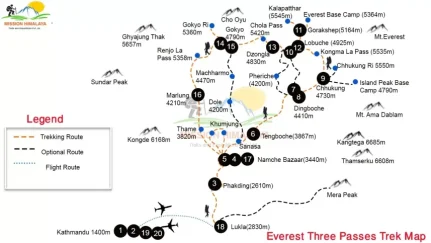
Mount Everest is in the Khumbu region of Nepal. This area is also called the Everest Region. To get there, most people take a short flight from Kathmandu (Nepal’s capital city) to a small town called Lukla. From there, they start walking through villages and forests on their way to Everest Base Camp.
Why Do People Visit Everest?
Many people want to see the world’s tallest mountain with their own eyes. Some are mountain climbers, but most are hikers and trekkers. They walk for many days through the mountains to reach the Everest Base Camp. This is a place where climbers stay before they try to reach the top.
Along the way, visitors get to see snow-covered peaks, colorful prayer flags, old monasteries, and yaks carrying loads. It feels like walking through a magical land.
People Who Live Near Everest
The people who live in the Everest region are called the Sherpa. They are strong and friendly mountain people. Many Sherpas work as trekking guides or porters. They help visitors carry their bags and stay safe in the mountains. Sherpas have lived here for a long time and are known for their kind hearts and brave spirits.
Nature and Wildlife
The Everest region is home to many amazing animals and birds. If you’re lucky, you might see a musk deer, Himalayan tahr, or even a snow leopard. Birds like the Himalayan monal (Nepal’s national bird) can also be found here. The area is protected as Sagarmatha National Park, which helps keep nature safe.
Weather and When to Visit
The best times to visit Everest are in spring (March to May) and autumn (September to November). During these months, the skies are clear, and the views are the best. In winter, it gets very cold, and in summer, it rains a lot.
Everest is Special
Everest Nepal is not just about reaching the top. It’s about the journey, the people you meet, and the things you see along the way. It teaches us to respect nature and enjoy simple moments.
Whether you are dreaming of climbing, trekking, or just learning about it from home, Mount Everest in Nepal will always be one of the most special places on Earth.
Where to Capture Epic Shots
If you love taking pictures and want to see Mount Everest up close, the Everest region in Nepal is one of the best places in the world. The sky is clear, the air is fresh, and the mountains are huge and beautiful. You don’t need to climb Everest to take great photos. There are many spots where you can get perfect views with your camera or phone.
Here are 10 awesome places where you can take epic shots of Mount Everest:
Kala Patthar (5,545 meters)
Best view of Everest up close
Kala Patthar is the most popular place to take photos of Mount Everest. From here, you get a clear and close view of the mountain, better than from Base Camp! It’s a bit of a tough climb, but the view at the top is worth it. You’ll see the golden light of sunrise or sunset hitting Everest. It’s one of the best moments for any photographer.
Tip: Bring warm clothes—it’s very cold up there.
Everest Base Camp (5,364 meters)
Feel the power of the mountain
Everest Base Camp is where climbers get ready to climb to the top. It’s also a great place to take photos of the huge ice blocks and the famous Khumbu Icefall. You won’t see the full top of Everest from here, but you’ll feel close to its power.
Tip: Try wide shots to capture the giant glaciers and tents of the camp.
Namche Bazaar (3,440 meters)
Colorful town with Everest in the background
Namche Bazaar is a busy Sherpa town on the way to Base Camp. It’s a fun place full of colorful homes, shops, and smiling people. On a clear day, you can walk to the Everest View Hotel nearby and see Everest in the distance while sipping tea.
Tip: Use a zoom lens or phone close-up to make Everest pop behind the hills.
Tengboche Monastery (3,867 meters)
Sacred place with mountain views
Tengboche is a peaceful village with a beautiful Buddhist monastery. Monks pray here every day, and snow-covered peaks surround the area. From here, you can see Everest and Ama Dablam together—a perfect shot for those who love nature and culture.
Tip: Take photos early in the morning for the best light.
Gokyo Ri (5,357 meters)
A stunning view from a hidden trail
Gokyo Ri is a viewpoint near the Gokyo Lakes. The hike here is quieter than the Base Camp trail, but the view is just as amazing. From the top, you can see Everest along with other big mountains like Lhotse and Makalu. You also see the blue Gokyo Lakes below.
Tip: Wait for sunrise or sunset—colors in the sky make your photo magical.
Dughla Pass (4,620 meters)
Mountain pass with memorials and glaciers
Dughla Pass is a quiet spot with memorials for climbers who passed away on Everest. The area is peaceful and surrounded by snowy peaks and glaciers. It’s a touching place to take a thoughtful photo.
Tip: Black-and-white photos work well here to show mood and feeling.
Phakding (2,610 meters)
First village with rivers and hills
Phakding is one of the first villages trekkers pass through. You won’t see Everest from here yet, but it’s a lovely place for photo practice. The green hills, swinging bridges, and river views are great for starting your journey shots.
Tip: Capture the hanging bridges with the river flowing below.
Lobuche (4,940 meters)
Wild rocky land with high peaks
Lobuche is a small stop near Base Camp. It’s surrounded by tall, rocky mountains and wide open skies. The light here makes the land look almost like the moon! You can take amazing landscape photos here.
Tip: Use leading lines—like trails or rivers—to guide the eye toward the mountains.
Pangboche Village (3,985 meters)
Old Sherpa village with mountain charm
Pangboche is one of the oldest villages in the Everest region. It has traditional homes and prayer stones all around. It’s quiet and beautiful, with great views of Everest, Thamserku, and Ama Dablam.
Tip: Try to take photos of prayer flags flying with Everest in the background.
Syangboche Airstrip (3,780 meters)
Hidden viewpoint close to Namche
Just above Namche Bazaar, there is an old airstrip called Syangboche. Not many planes land here now, but the views are awesome! From here, you get a clear line of sight to Everest and other peaks.
Tip: Great place for panoramic shots of the whole Himalayan range.
Final Tips for Everest Photography
- Go Early: Morning light is best for photos and the skies are clearer.
- Stay Safe: Don’t rush. Take time to rest, drink water, and breathe. Altitude is no joke!
- Bring Extra Batteries: Cold weather drains batteries fast, so keep them warm.
- Be Respectful: Always ask before taking photos of people, especially monks or locals.
Why These Photos Matter
Taking photos in the Everest region isn’t just about getting likes on social media. It’s about sharing the beauty of nature, respecting local culture, and remembering the journey. Every photo tells a story—your story—and it helps others learn about this wonderful place in the mountains of Nepal.
If you ever visit the Everest region, don’t forget your camera or phone. Even if you’re not a pro, your pictures will be special—because they come from your heart.
Let me know if you want this turned into a blog with headings, a photo gallery layout, or gear tips.
Conclusion
Everest Nepal is a place like no other. The mountains are huge, the sky is bright, and the people are kind. Whether you are taking photos from Kala Patthar, walking through Namche Bazaar, or sitting quietly near a monastery, every moment feels special. You don’t have to be a professional photographer to enjoy it. With your phone or camera, you can capture the beauty of Everest Nepal and remember it forever.
Every photo you take tells a story — of adventure, of peace, of nature, and of people who live high in the mountains. These pictures help you share your journey with friends and family back home.
When you visit Everest Nepal, you will see more than just the world’s tallest mountain. You will see prayer flags blowing in the wind, smiling Sherpa people, and snowy peaks that touch the clouds. It’s a magical place where your heart feels full, and your camera gets full too!
So take your time, look around, and click those epic shots. The memories will stay with you, even long after you leave the mountains behind.

I have had the privilege of leading countless trekkers through some of the world’s most iconic routes, including the Everest Base Camp Trek and Annapurna Base Camp Trek. Every trek is not just a physical journey; it’s an opportunity to connect with nature, immerse ourselves in rich cultures, and create lasting memories.
I believe that trekking is about more than just reaching a destination; it’s about the stories we share along the way. My fluency in Spanish, English, Hindi, and even some Japanese and Korean allows me to connect with trekkers from all walks of life, ensuring that every journey is tailored to your unique desires and needs.