English
 Dutch
Dutch Japanese
 Hindi
Hindi Italian
 Spanish
 French
 German
 Chinese
 Korean
 Arabic
 Hebrew
 Russian
 Portuguese
 Danish
 Czech
Czech Polish
 Swedish

Introduction
The Annapurna Circuit in Nepal is a trekking wonderland that draws travelers from all over the world all year long. While spring and fall are usually the best times to go trekking in the Annapurna region, trekking in December also gives you a special and magical experience. Therefore, in this blog, we’ll discuss why the Annapurna Circuit trek in December is a great decision, what to expect in terms of weather and scenery, and important advice to maximize your winter trekking journey. So, here we go-
Weather in December
Trekking the Annapurna Circuit in December comes with distinct weather conditions that you need to prepare for. Since December is a part of the winter season in Nepal, the days can be quite pleasant, and the nights are obviously cold. So being a winter season, the temperatures eventually drop below freezing at higher elevations. Here is a summary of the weather you may expect:
- Daytime Temperatures: There is basically no problem during the day at lower heights, such as in Besisahar and Manang, where temperatures can vary from 10°C to 15°C (50°F to 59°F). However, temperatures will sharply drop as you climb to higher elevations.
- Nighttime Temperatures: Temperatures can drop to -15°C to -20°C (5°F to -4°F) or even lower in higher-altitude regions like Thorong Phedi and Thorong La Pass. Therefore, it’s essential to be adequately prepared for these cold nights.
- Precipitation: December has a lower chance of rainfall in the Annapurna region. However, at higher altitudes above 4,000 meters, you might occasionally experience snowfall.
Why Trek the Annapurna Circuit in December?
Despite the lower temperatures, there are certain advantages to adventure the Annapurna Circuit in December:
- Fewer Crowds: In Nepal, December is regarded as the off-season for trekking. For that reason, there will be fewer trekkers around the Anapurna region. So, taking advantage of this silence, you may appreciate the beautiful surroundings and develop deeper ties with the local people.
- Clear Views: December often sees a bright, clear sky because of the cooler, drier weather. This means you’ll have superb vision and amazing views of the snow-capped mountains and surroundings.
- Unique Wildlife Encounters: For those who enjoy wildlife, December is a great time to go. In this season, you might be able to see rare and elusive animals that descend to lower altitudes in the winter to find food. So, Keep an eye out for Himalayan pheasants, blue sheep, and maybe even a glimpse of the elusive snow leopard.
-
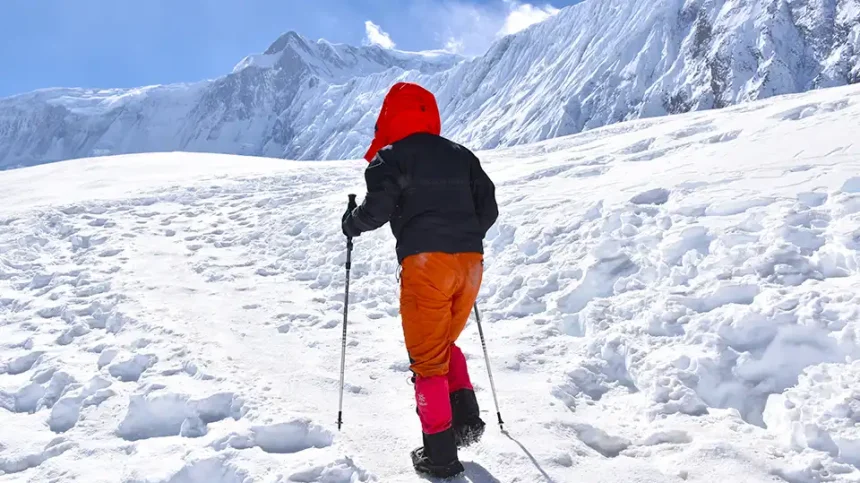
Throng La pass And Annapurna Circuit Trek in December

Challenges of Trekking in December
Although trekking the Annapurna Circuit in December may be a magnificent experience, there are a few difficulties to be aware of:
- Cold Weather: You need to bring layers, sleeping bags, and gear since it gets chilly, especially at higher elevations.
- Shorter Days: December has shorter daylight hours. So, plan your daily trekking schedule accordingly to make the most of the available daylight.
- Risk of Snow: While snowfall might heighten the landscape’s beauty, it can also make the route slick and more difficult to walk. Exercise caution and be ready for this kind of circumstance.
Accommodation Options in December
Accommodation options on the Annapurna Circuit in December offer a diverse range to suit different preferences. Trekkers can choose between tea houses (lodges) and camping. The teahouses offer basic amenities and a chance to connect with fellow trekkers. And for those seeking a more immersive experience with nature, camping will be a great option. So basically, tea houses provide a cozy and culturally enriching experience with local hospitality and camping gives the true trekking adventure. However, camping requires more equipment and preparation.
Hence, whatever you decide, knowing about accommodation options in December is essential for a pleasant and enjoyable trip over the Annapurna Circuit.
Trekking Itinerary for December
Here’s a sample itinerary for the Annapurna Circuit trek in December:
- Day 1-2: Kathmandu to Jagat and then to Dharapani
- 3-6: Trek through villages like Chamje, Pisang, Ngawal and Manang
- 7-9: Explore Manang, acclimatize to the altitude, and head to Throng Phedi.
- 10-11: Trek from Throng Phedi to Muktinath Via Throng La Pass and then to Tatopani
- 12: Trek from Tatopani to Ghorepani
- 13: Trek to Nayapul(1070M) and drive to Pokhara
This path takes into account the cooler temperatures at higher altitudes and allows for gradual acclimatization.
Essential Gear and Preparation for December Trekking
Preparing adequately for a trek in December’s cold conditions is crucial to ensure safety and comfort throughout your journey on the Annapurna Circuit. Here’s a comprehensive guide to the essential gear you’ll need:
Thermal Clothing: Layering is key in managing the cold. Start with a moisture-wicking base layer to keep sweat away from your skin, add an insulating middle layer such as fleece or down, and finish with a windproof and waterproof outer layer. Don’t forget thermal leggings, which are essential for lower body warmth.
High-Quality Sleeping Bag: Night temperatures can plunge far below freezing, especially at higher altitudes. A four-season sleeping bag with a temperature rating of at least -20°C is advisable. Consider a sleeping bag liner for additional warmth.
Footwear: Waterproof, insulated trekking boots are a must. Look for styles with robust grips suitable for icy paths. Pair these with thermal socks and gaiters to protect against snow and moisture.
Accessories: Don’t overlook the importance of a warm hat, gloves, and a neck gaiter. Sunglasses and sunscreen are also vital, as UV exposure increases significantly at high altitudes, and the reflective snow can intensify sun rays.
Safety Gear: Bring along microspikes or crampons for added traction on icy trails, and consider a trekking pole with a snow basket for stability.
Trekking Poles: These are invaluable on snowy or icy terrain, helping to improve balance and reduce strain on your knees.
Health Considerations and Acclimatization
Acclimatizing to the altitude and staying healthy are both vital concerns when trekking the Annapurna Circuit in December. Here are some strategies to help:
Acclimatization Days: Utilize designated acclimatization days to allow your body to adjust to the altitude. This is crucial to prevent altitude sickness, which can be life-threatening. Spend these days doing light activities and short hikes to higher altitudes before returning to lower altitudes to sleep.
Hydration: Cold weather can reduce your sense of thirst, but dehydration is a risk factor for altitude sickness. Drink plenty of water throughout the day, and consider warm beverages like herbal tea to keep you hydrated and warm.
Diet: Eating foods high in carbohydrates can help maintain energy levels in cold and high-altitude environments. Meals in teahouses usually offer a variety of suitable options, including rice, noodles, and potatoes.
Health Kit: Carry a well-stocked first aid kit with remedies for common ailments like headaches and digestive issues. Include altitude sickness medication as advised by your doctor.
Frostbite Prevention: Frostbite can occur in extreme cold, particularly on exposed skin or inadequate clothing. Keep all parts of your body covered and warm, and change out of wet clothes immediately to avoid frostbite.
Environmental Considerations and Ethical Trekking
Trekking in December also requires an awareness of environmental impact and ethical considerations:
Leave No Trace: Practice Leave No Trace principles to minimize your impact on the natural environment. Carry out all your waste, including items like batteries and plastic wrappers.
Support Local Economies: Engage with and support local communities by hiring local guides, staying in local lodges, and purchasing goods from local vendors. This helps distribute economic benefits from tourism.
Conclusion for Annapurna Circuit Trek in December
Trekking the Annapurna Circuit in December offers a unique and less crowded experience, with the bonus of clear skies and Unique Wildlife Encounters. Even if the cold and fewer days bring difficulties, the right planning and equipment may make your winter trek a lifetime memory.
As you travel through this stunning area in December, embrace the enchantment of snow-capped peaks and the friendliness of the locals. Your December trip over the Annapurna Circuit might be one that you will never forget if you get into it with the right mentality and safety measures. So, Plan ahead, and be ready to savor the beauty of Nepal’s Annapurna Circuit in its winter magnificence.

I have had the privilege of leading countless trekkers through some of the world’s most iconic routes, including the Everest Base Camp Trek and Annapurna Base Camp Trek. Every trek is not just a physical journey; it’s an opportunity to connect with nature, immerse ourselves in rich cultures, and create lasting memories.
I believe that trekking is about more than just reaching a destination; it’s about the stories we share along the way. My fluency in Spanish, English, Hindi, and even some Japanese and Korean allows me to connect with trekkers from all walks of life, ensuring that every journey is tailored to your unique desires and needs.