 English
 Dutch
Dutch Japanese
 Hindi
Hindi Italian
 Spanish
 French
 German
 Chinese
 Korean
 Arabic
 Hebrew
 Russian
 Portuguese
 Danish
 Czech
Czech Polish
 Swedish
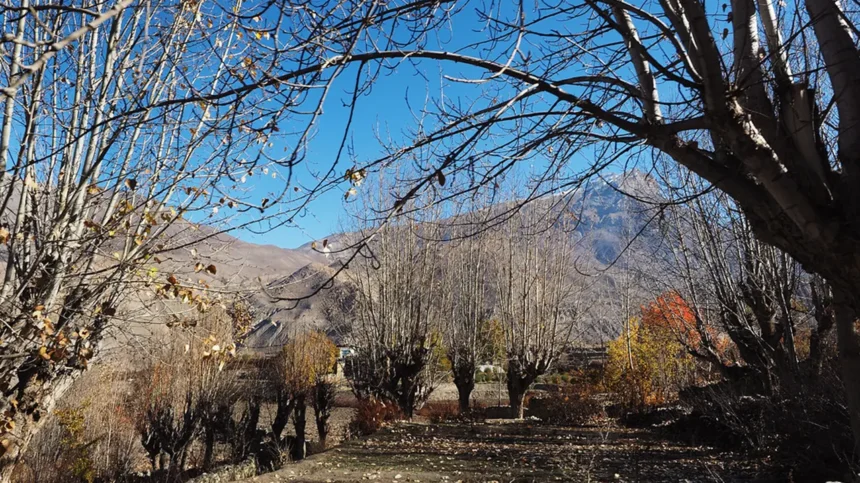
Nepal’s restricted trekking areas have more challenging regulations than typical trekking routes. Trekkers cannot enter these areas as free solo trekkers. Permits need to be organized by an authorized trekking agency and a licensed guide is compulsory, with the trekking group being minimum in size as set by the government.
This change is part of the updated Nepal trekking rules 2026, and it has made planning easier for many trekkers. Earlier, travellers required at least two people for obtaining a permit to restricted regions. That requirement often resulted in delays and fewer options for travel.
Now, with Solo Travelers Can Now Trek Nepal’s Restricted Regions, you can plan your trek as an individual client. However, it is important to understand that this does not mean that completely independent trekking is allowed.
You still require a licensed guide and have to book your trek by a registered agency. This system is useful to keep the safety and proper management in remote areas.
In this guide, you’ll find out what’s changed, what the same is, and how to plan your trek under the new rules.
Understanding restricted trekking regions in Nepal
Restricted trekking regions in Nepal are areas that are controlled by the government because of their location, culture or remoteness. These areas are often close to international borders or in areas where infrastructure is limited.
To enter these areas, trekkers require a Nepal restricted area permit, which is different from normal trekking permits. These permits are only issued through registered trekking agencies.
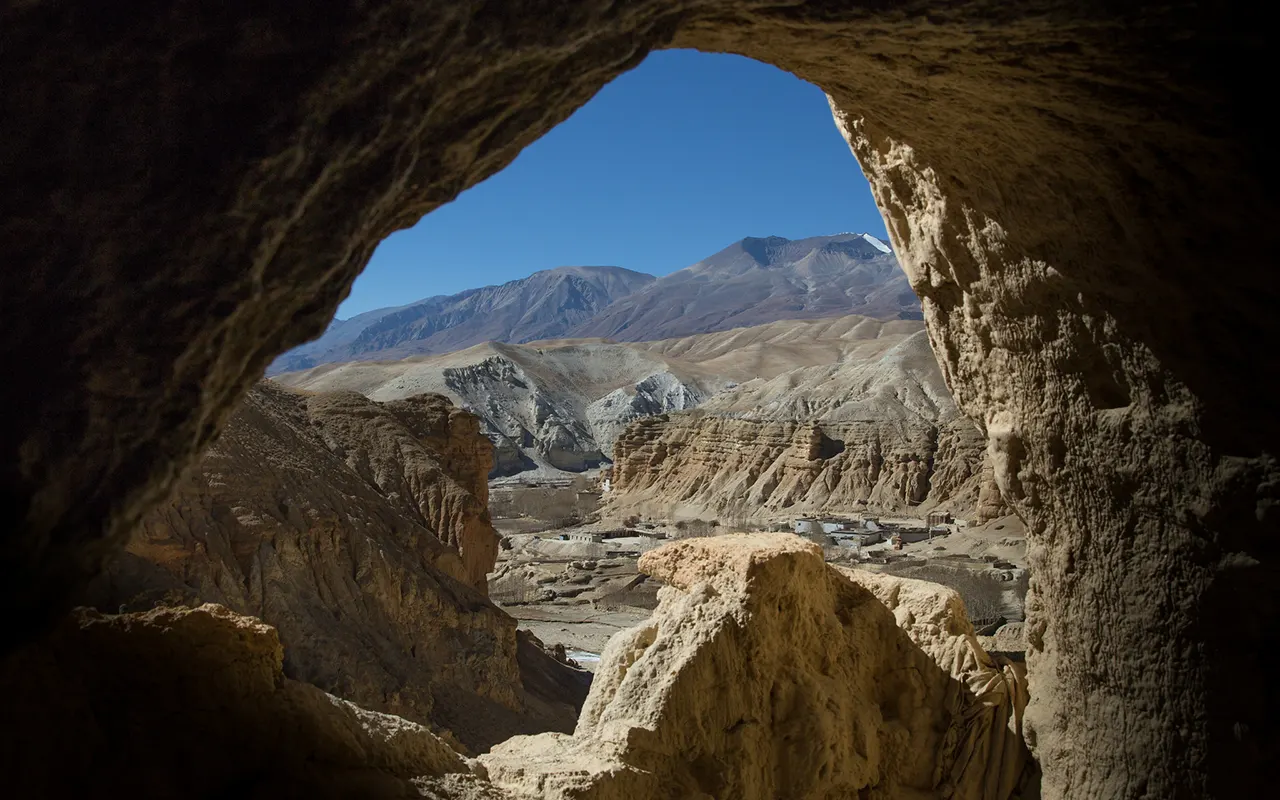
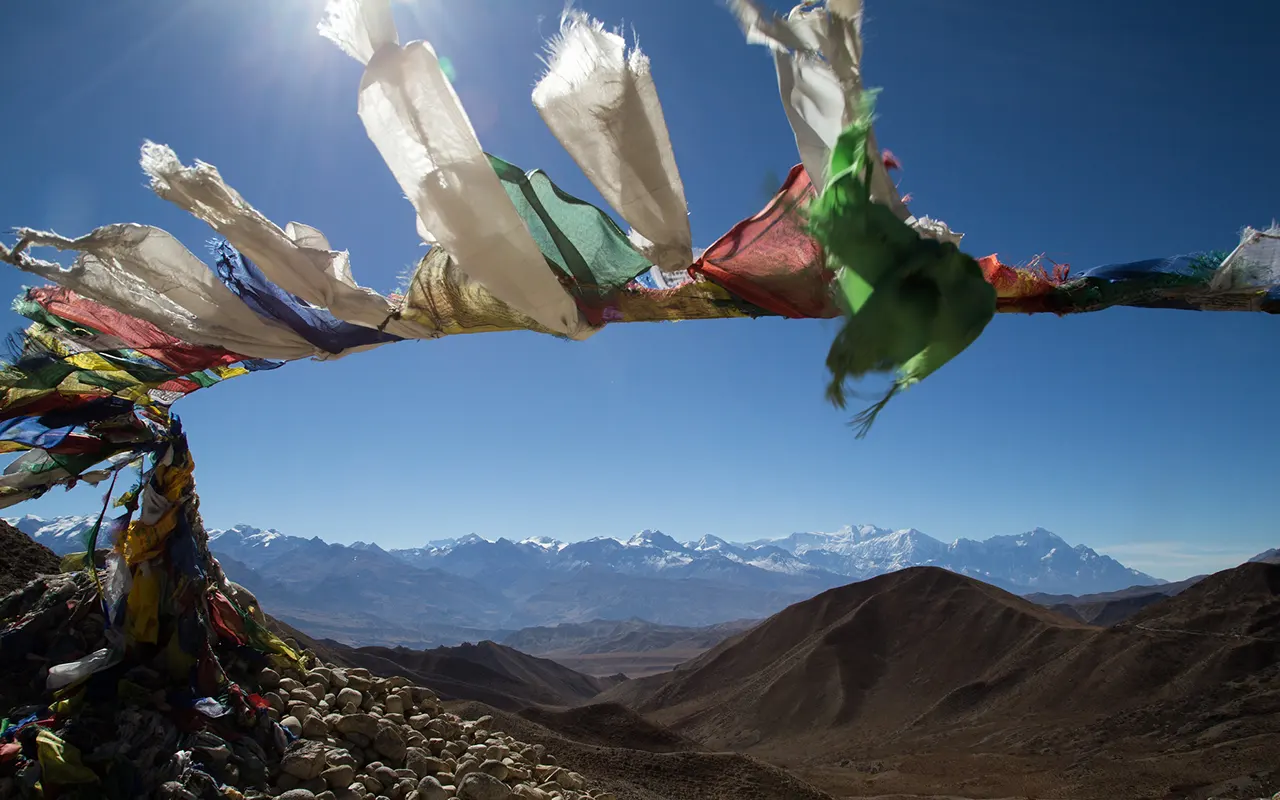
some of the most popular restricted regions are Upper Mustang, Upper Dolpo, Manaslu, Nar Phu Valley, Tsum Valley and parts of Humla.
These routes are not as crowded as the popular trekking areas such as Everest or Annapurna. They provide a quieter experience and an opportunity to view traditional lifestyles and, at the same time, require more regulation.
Before this update, solo trekking in restricted areas Nepal was not allowed. Trekkers had to join two or more people to apply for their permits. This made it difficult for travelers who preferred to go on private trip.
What changed under Nepal trekking rules 2026?
Before assuming any significant changes, it is important to go by the official rules of the government. Based on the current information we have from Nepal’s Department of Immigration, restricted areas still do not allow free individual trekking.
Trekkers must obtain permits from an authorized agency, travel with a licensed guide, and adhere to minimum group requirements.
Key updates you should know:
- Solo Travelers Can Now Trek Nepal’s Restricted Regions as individual clients
- No need to form a group with another trekker
- Permits are issued through authorized trekking agencies and approved by the Department of Immigration.
- Visa information is mandatory during application
- Easier planning of private trekking trips
These updates make the system more practical to use with proper control.
What has not changed?
Even though these days Nepal is open to booking your trip solo, there are certain rules which remain the same. These rules are important from the point of view of safety and proper management of trekking.
You still can’t trek completely in restricted areas on your own. A licensed guide is mandatory for all trekkers in these regions, as they are necessary for one’s safety, to help with navigation, and to abide by government rules in remote regions.
Permits should be organized by a registered trekking agency. You cannot apply for Nepal restricted area permit by yourself. Permit costs also continue to be in place and differ by region. Some regions have set rates for a number of days and others charge daily.
You may also require more permits depending on your route such as conservation area permits. Restricted-area permits still require a minimum of two trekkers in the group, along with a licensed guide.
Important rules to remember:
- A licensed guide is mandatory
- Trek must be organized through a registered agency
- Restricted area permits Nepal are required
- Additional Permits may be required depending on the route
- Bookings for trekking are available on a solo basis, but independent trekking is not possible
Understanding these rules will help you to avoid confusion while planning.
Why this update matters for travelers
This update is very useful for those travelers who like to trek privately. Many people want to travel at their own pace without relying on group. In the past, trekkers had to wait to find a partner or join a group. This often postponed trips or forced people to change their plans.
Now, solo trekking in restricted areas Nepal becomes easier in terms of booking. You can plan your trek depending on your own time and preferences. This is also useful in the quieter seasons when fewer trekkers are available to make groups.
Benefits for trekkers:
- Increased flexibility in planning
- No need of relying on another traveler
- Easy to arrange private trekking trips
- Access to remote and less-crowded routes
- Increased overall trekking experience
This change can also benefit local tourism, as it can bring more people to remote areas and help boost tourism.
Which trekking routes are most affected?
A number of trekking routes are expected to benefit from this update. These are mainly the areas in which group rules were strict before. Upper Mustang is one of the most popular restricted area. It is known for its topography and its regulated access.
The Manaslu Circuit is another famous circuit, which offers natural and cultural experiences.
Nar Phu Valley is a less busy option and is ideal for those trekkers who may want to see less crowded trails. Upper Dolpo and far western areas may also receive greater attention as solo travelers discover new places.
Even with the new rules, these treks still require proper planning and logistics.
How to plan your trek under the new rules
Planning your trek is more flexible now but you still have to follow the correct process.
To begin with, you must choose your trekking region depending upon your time, budget, and interest. Some routes take more days and are more expensive.
Next contact a registered trekking agency. They will help you to organize permits, guides and logistics. Make sure that you have your visa details ready before you apply for permits.
Simple planning steps:
- Select your trekking destination
- Contact a registered trekking agency
- Provide information on passport and visa
- Confirm your guide and itinerary
- Apply for restricted area permits Nepal
- Prepare your budget and equipment
Following these steps will ensure that you plan your trek smoothly.
Permit system, cost, and best time to go
The cost of trekking in restricted areas depends on the region that you choose. Each area has its own fees. Permit fees vary by region. Some regions have set rates for a number of days and others charge daily. Aside from the Nepal restricted area permit, you might also need conservation area permits depending on the route you are taking.
The best time for trekking usually is the spring (March to May) and autumn (September to November). These seasons have stable weather and clear views. Winter trekking can be done but is colder and more difficult. Monsoon season can impact trails, particularly on the lower regions.
Detailed permit process for restricted area trekking in Nepal
Understanding the permit process clearly is very important when planning a trip under the new rule that Solo Travelers Can Now Trek Nepal’s Restricted Regions. Although now solo booking is allowed, the process still has a structured system.
First, you can’t apply for Nepal restricted area permit on your own. All the permits to trek require going through a registered trekking agency in Nepal. This is a government requirement and is true for all restricted regions.
The agency will take your documents such as the copy of your passport, visa details and travel itinerary. These details are required before the permit application is submitted. After that, the agency applies for restricted area permits Nepal on your behalf. The permit is issued for a particular region and number of days. You are required to be on the approved route and time.
In many cases permits are checked at various checkpoints along the trail. Your guide will take care of these checks so you do not have to manage these checks yourself. It is also important to know that the permit rules can vary with the region. Some areas have stricter controls than others, particularly those that are near international borders.
What you need for the permit:
- Valid passport, including Nepal visa
- Photographs – Passport size in some cases
- Confirmed trekking itinerary
- Registered trekking agency
- Licensed trekking guide
Important permit tips:
- Apply for permits before you begin your trek
- Don’t attempt to enter restricted areas without a permit
- Always carry a copy of your permit on the trek
- Follow an approved route that was included in your permit
This process may sound strict, but it helps manage trekking activity and improves safety.
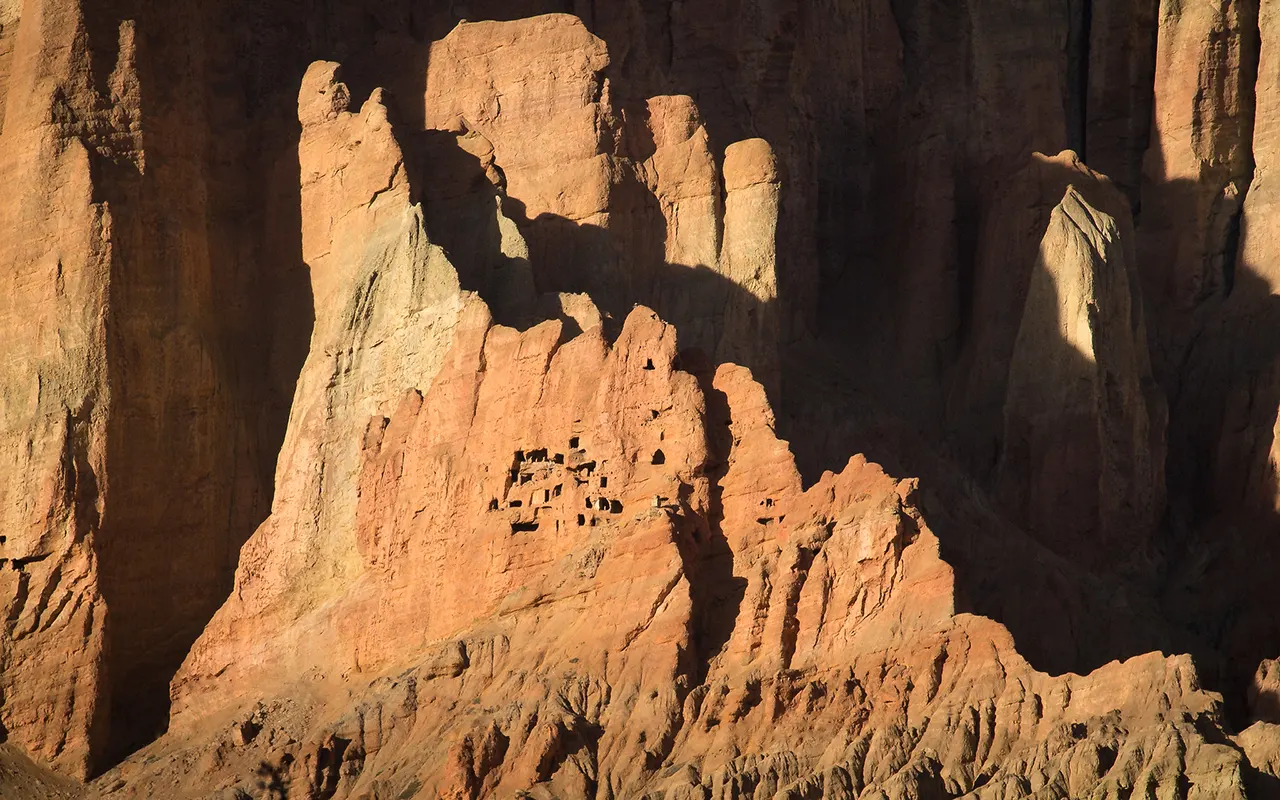
Accommodation, food, and daily experience in restricted areas
When planning under the new system where Solo Travelers Can Now Trek Nepal’s Restricted Regions, it is also important to understand what your daily experience will look like on the trail.
Most of the restricted trekking areas in Nepal follow the teahouse system, especially in areas such as Manaslu and Upper Mustang. Teahouses are small lodges; they are run by local families.
Rooms are typically simple, with primitive beds and blankets. Heating is often only available in the dining area and rooms can be cold at night, especially at higher altitudes. Food is also straight forward but filling. Common meals are dal bhat (rice, lentils and vegetables), noodles, soups, potatoes and tea. The menu may be limited in remote areas but it is usually sufficient for trekking.
Electricity and charging facilities are available in many places but may incur extra cost. Wi-Fi is limited and not available in all regions. Due to the remoteness of these areas, goods are often transported by porters or animals. This is the reason why food variety and comfort level are different from the city hotels.
What to expect on a typical day:
- 4 to 7 hours walking depending upon the route
- Lunch-eat at a teahouse along the trail
- Evening sleep at a lodge or teahouse
- Simple meals and early sleep
- Cold mornings especially at higher altitude
Tips for better experience:
- Carry some snacks for energy while going on long walks
- Keep cash for additional expenses such as charging/hot showers
- Bring your sleeping bag for cold nights
- Be flexible with food choices in remote areas
Understanding these conditions will help you to be better prepared and avoid any surprises during your trek.
Common mistakes to avoid in restricted area trekking
Even though Solo Travelers Can Now Trek Nepal’s Restricted Regions, some mistakes can still affect your experience. Many travelers get confused by the word “solo.” It does not mean that trekking alone. A guide is still required.
Another mistake is the failure to arrange for permits ahead of time. These permits must be obtained through agencies prior to the trek being taken. Budget planning is important also. Restricted areas can be more costly than anticipated.
Some trekkers also underestimate how much physical effort it takes. Even non-technical trails can be challenging.
Common mistakes to avoid:
- Thinking solo means to trek without a guide
- Not getting permits in advance
- Underestimating costs of trekking
- Skipping physical preparation
- Choosing the wrong season
Avoiding these mistakes will make your trip go more smoothly.
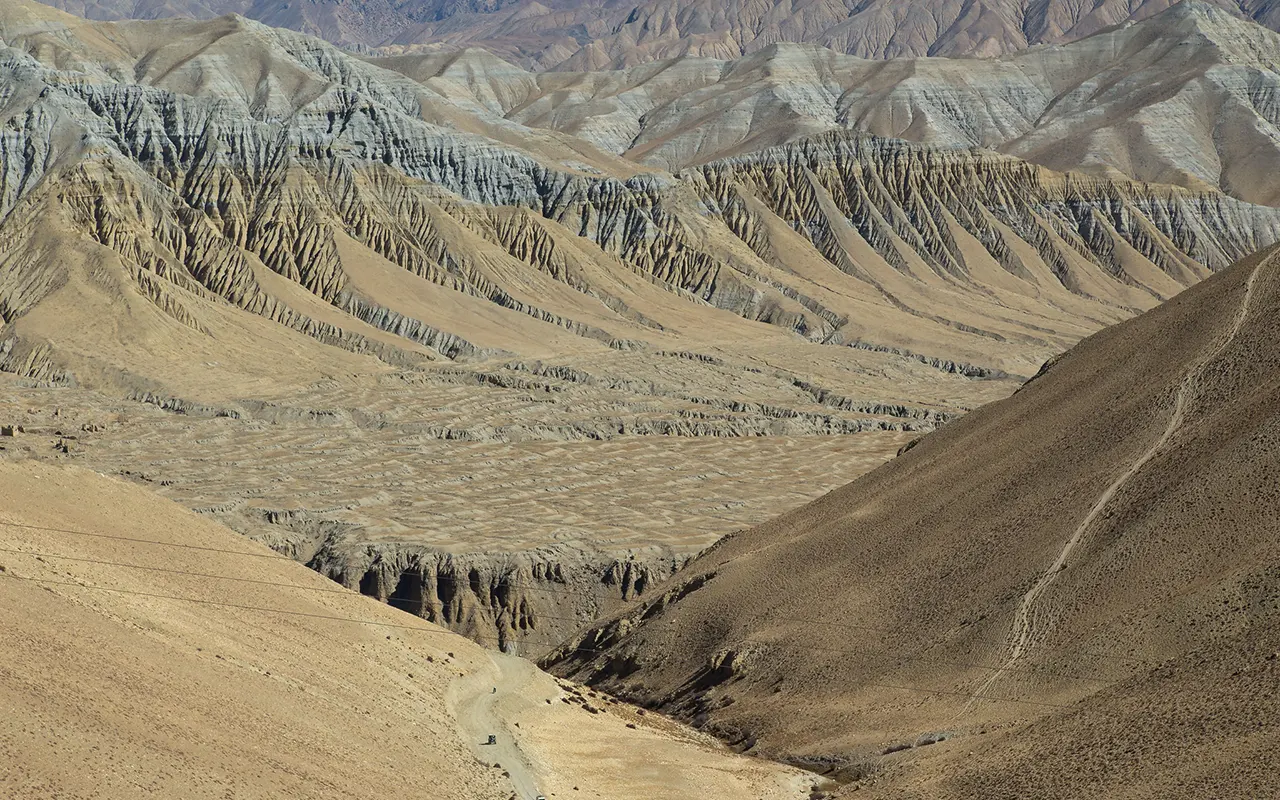
What this means for the future of trekking in Nepal
This update reflects that Nepal is catching up with the modern needs of travelling. Many travelers now prefer flexible and a private trips.
At the same time, the country continues to emphasize on safety and responsible tourism.
Solo Travelers Can Now Trek Nepal’s Restricted Regions may attract more trekkers to less visited areas. This can help to reduce crowding in popular areas.
It can also be used to support local communities with increased tourism to remote villages.
Final thoughts
The update that Solo Travelers Can Now Trek Nepal’s Restricted Regions is a positive change for travelers. It eliminates one of the largest obstacles that existed previously.
You may now organize your trip without having a partner. Nonetheless, even trekking is still being arranged by an agency and has to have an authorized guide.
The trekking in restricted areas in Nepal can now be more flexible and accessible with proper planning, permits and preparation.
